
A Journey to Crete: History, Hospitality, and the Art of Traditional Nutrition
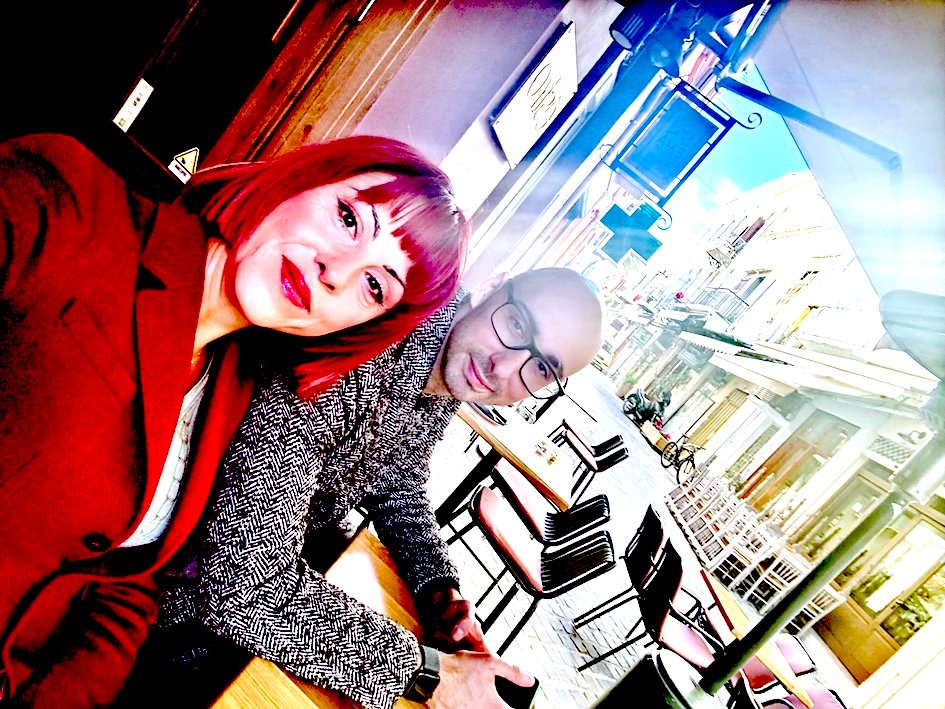
Crete, the cradle of Minoan civilisation and a jewel of the Mediterranean, never ceases to enchant antiquity lovers. This autumn, Apollonas and I embarked on a four-day escape to this mythical island, combining work, history, and, of course, the finest low-carb cuisine Crete has to offer. Our destination was Rethymno, where Apollonas had been invited by the “Laiko University of Rethymno” to deliver a lecture on the intricate relationship between nutrition and mental health. But as we quickly discovered, this trip would offer much more than academic exchange.
The Timeless Allure of Rethymno
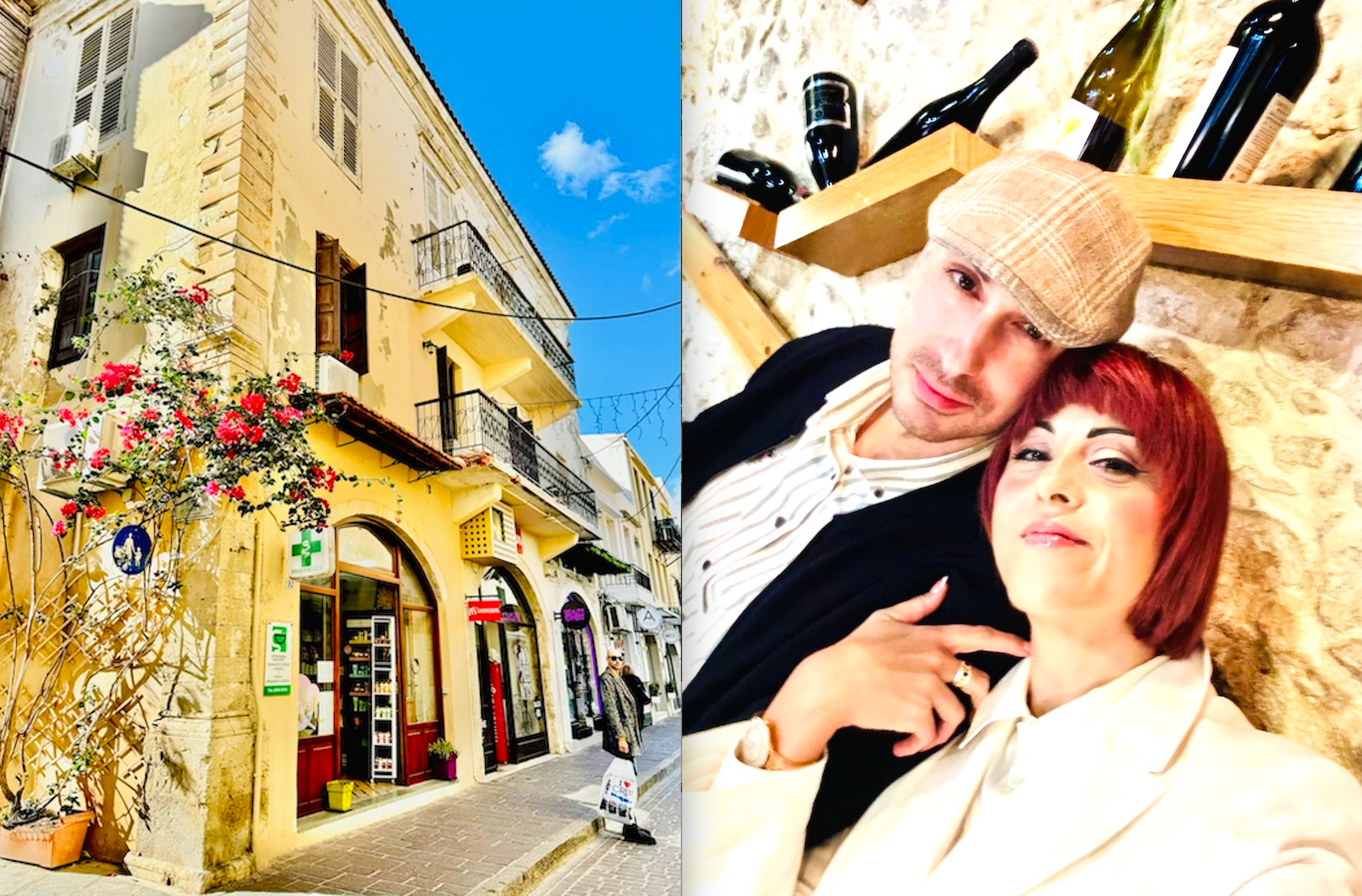
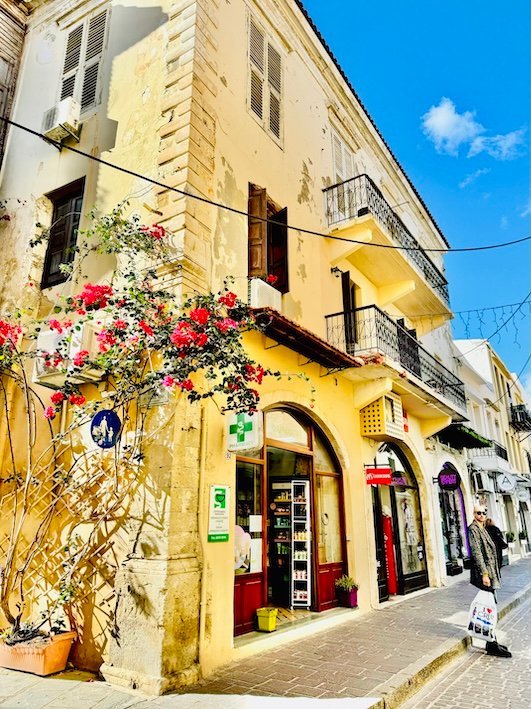
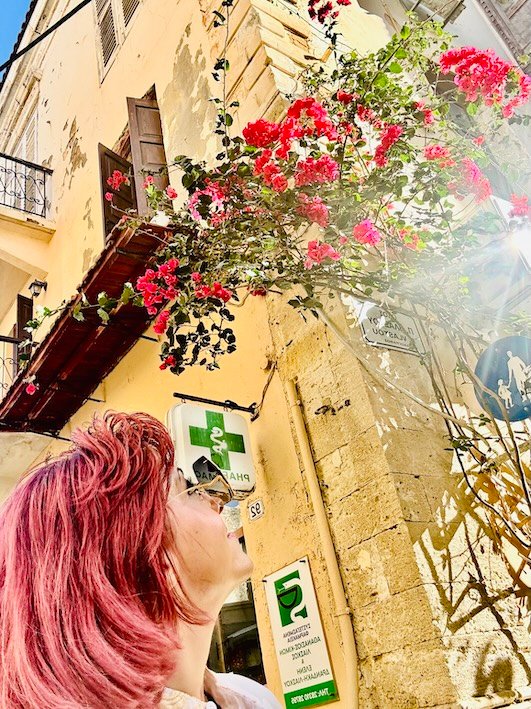
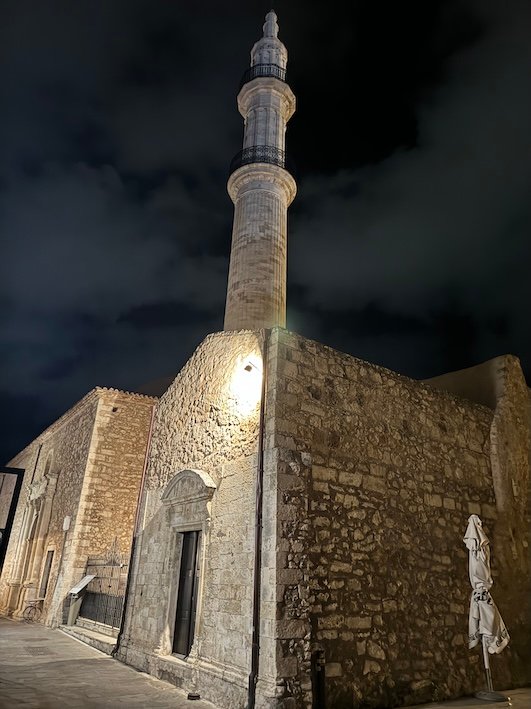
The moment we stepped into Rethymno’s old town, I felt as though I had wandered into a Repubblica di Venezia. Narrow, cobblestone streets wove between pastel-hued buildings adorned with bougainvillaea in full bloom. The scent of the sea mingled with that of freshly baked lamb chops from a nearby tavern. Rethymno, with its Venetian fortresses, Turkish minarets, and charming taverns, had a soul that resonated deeply with mine since I come from a city that has a similar historical mix of cultures.
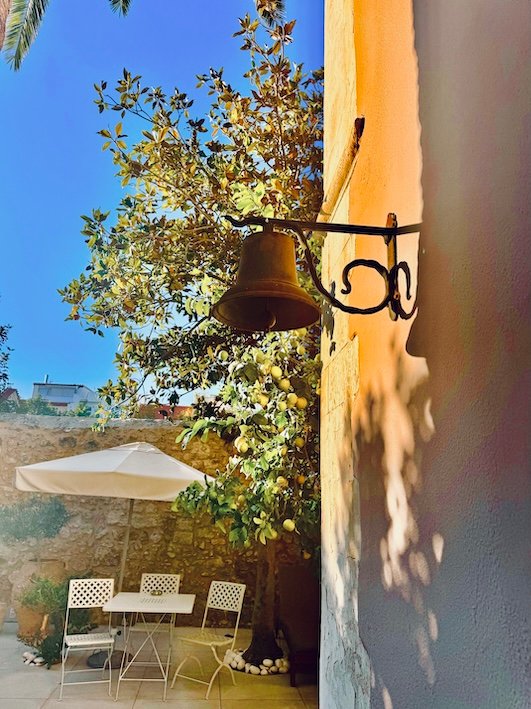
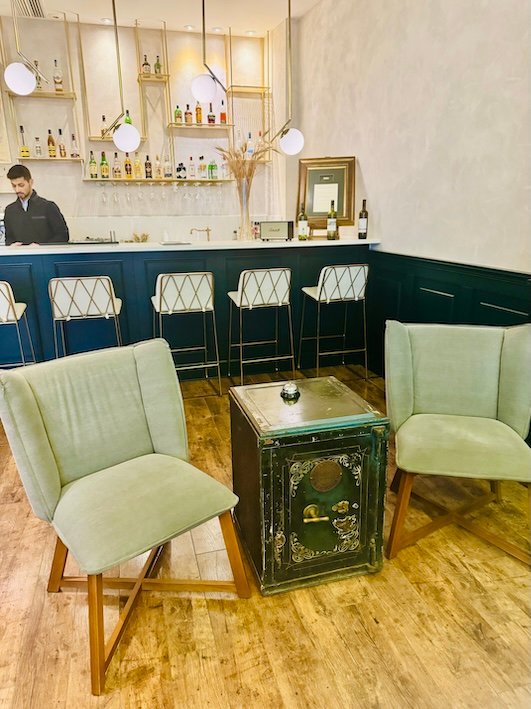
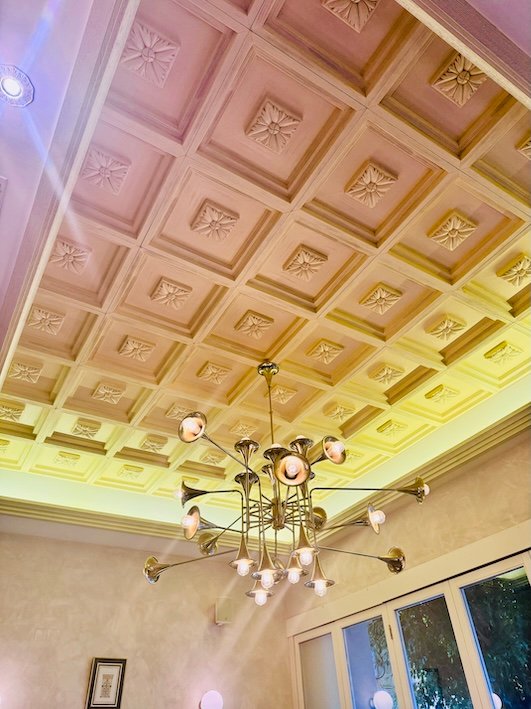
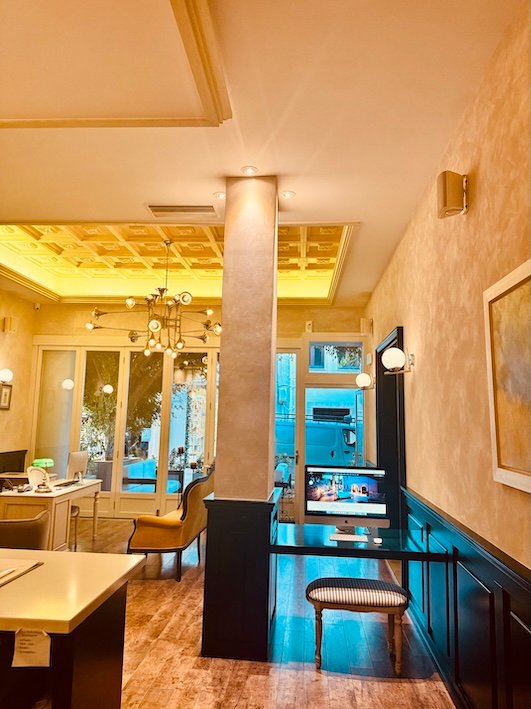
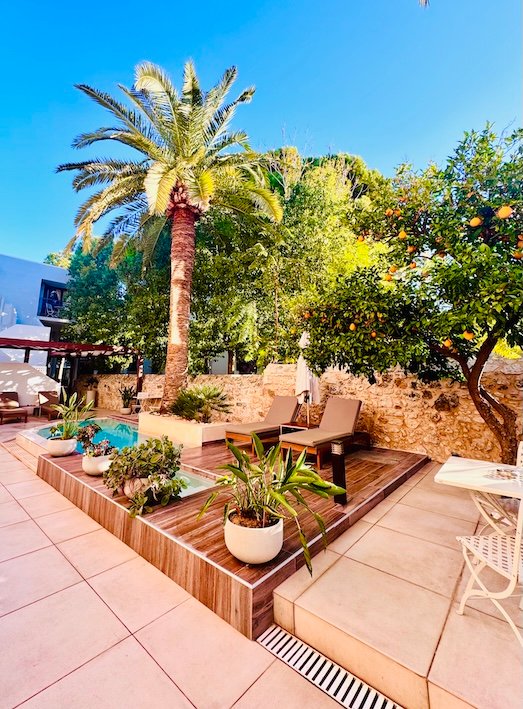
Our stay at the Pepi Boutique Hotel, nestled in the heart of this historic town, elevated our experience. Once a primary school for boys and girls—one of the first of its kind in Crete—this building has been beautifully transformed into a boutique retreat that seamlessly marries Venetian elegance with modern comforts.
From the moment we arrived, the staff’s warmth and care made us feel at home. A minor inconvenience with hot water in our suite was swiftly addressed, and the management’s sincere efforts to ensure our satisfaction left a lasting impression. Special thanks to Elefteria, the delightful receptionist whose kindness added a personal touch to our stay.
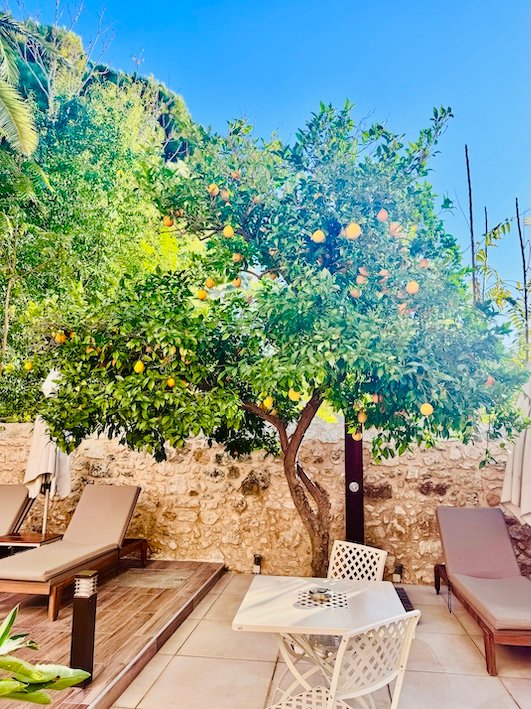
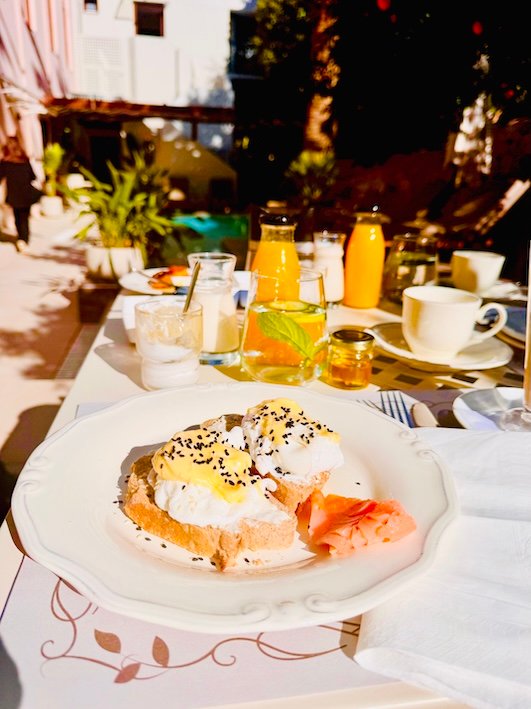
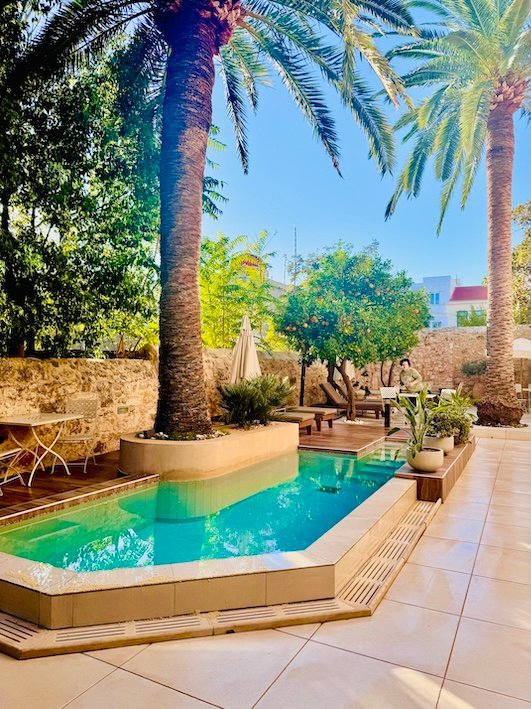
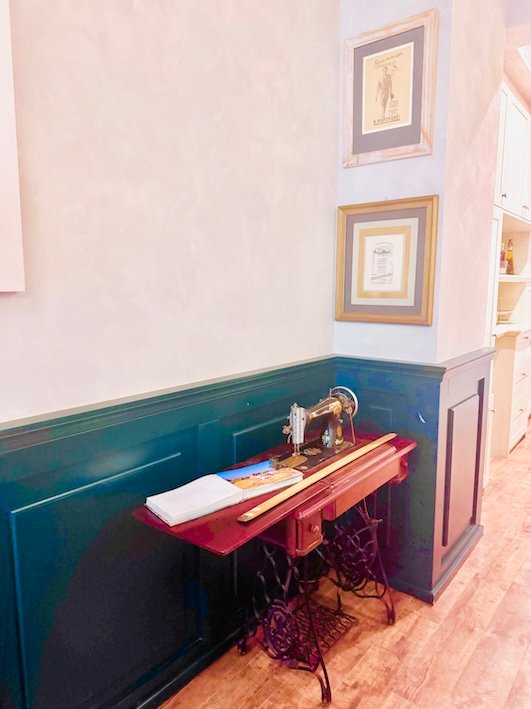
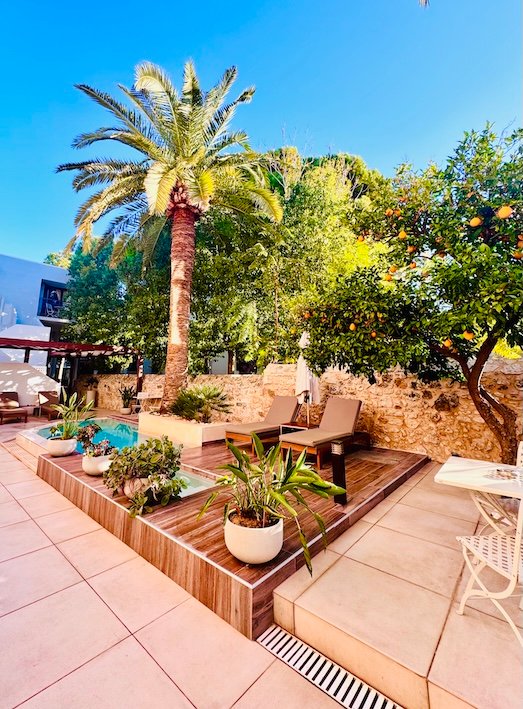
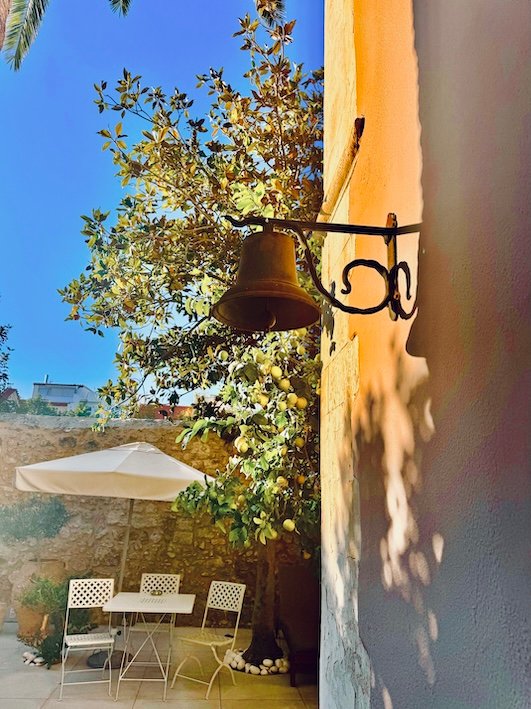
Our suite, with its antique stone walls and large windows overlooking the lush courtyard, offered an atmosphere of serenity. A wooden platform bed invited restful slumber, while thoughtful details—a vintage Singer sewing machine and an inviting wine cellar—reflected the care and creativity of the hotel’s owners. We requested a late breakfast to be able to perform our intermittent fasting, and the hotel was happy to accommodate us. Please note that only on the first day was there bread on the plate, which we simply removed. On all other days, they created our low-carb breakfast to the point, no bread! We enjoyed it at almost noon in the courtyard surrounded by historic walls and exotic plants, which was a highlight of each morning.
A Low-Carb Paradise at Pepi’s
Knowing our commitment to low-carb living, the Pepi Boutique Hotel graciously accommodated our dietary preferences. Breakfast was a delightful spread of goat milk, goat yoghurt, local cheeses, perfectly poached eggs, and smoked salmon. While I usually avoid fruit juices on a ketogenic diet, I couldn’t resist their freshly squeezed orange juice. Made from oranges grown in the hotel’s garden, the juice was surprisingly low in naturally occurring sugar—a rarity in today’s supermarket-driven world. This small indulgence felt like a true taste of Crete. However, if you are strict, you can easily skip this beverage and enjoy their most delightful Cretan herbal mountain tea with a splash of lemon.
Feasting by the Sea
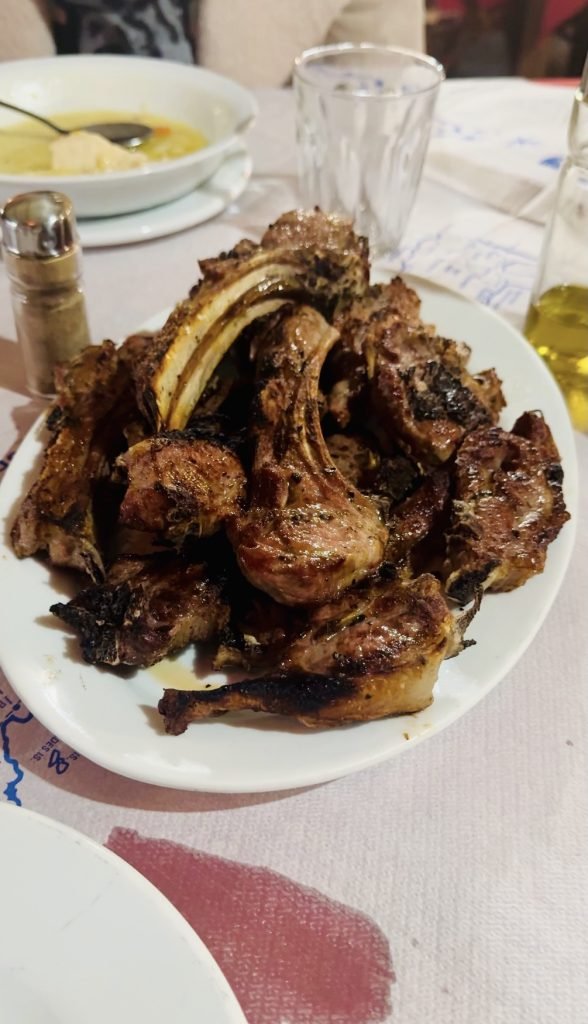
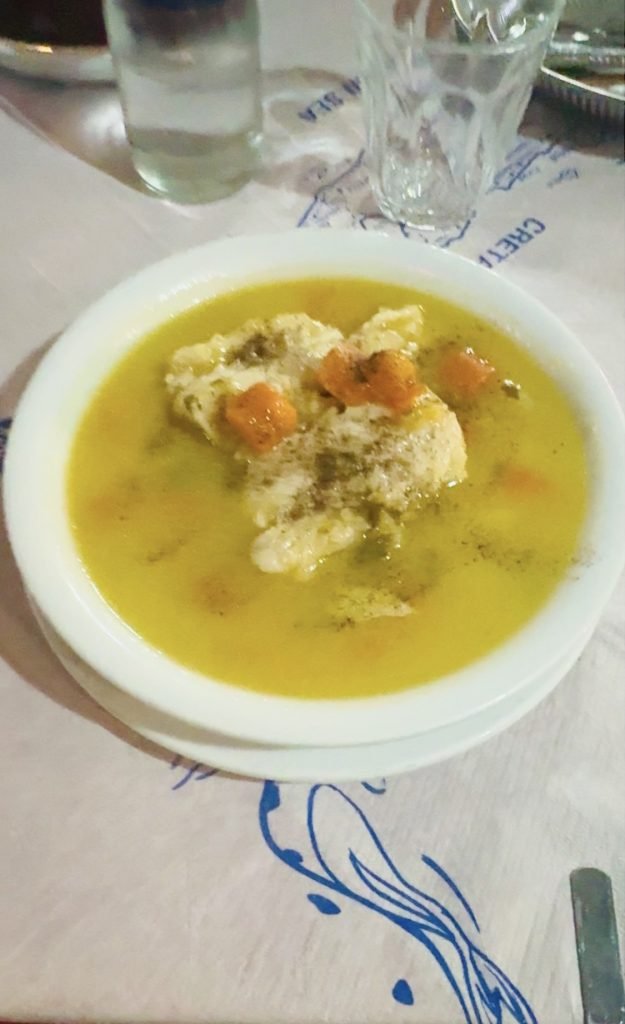
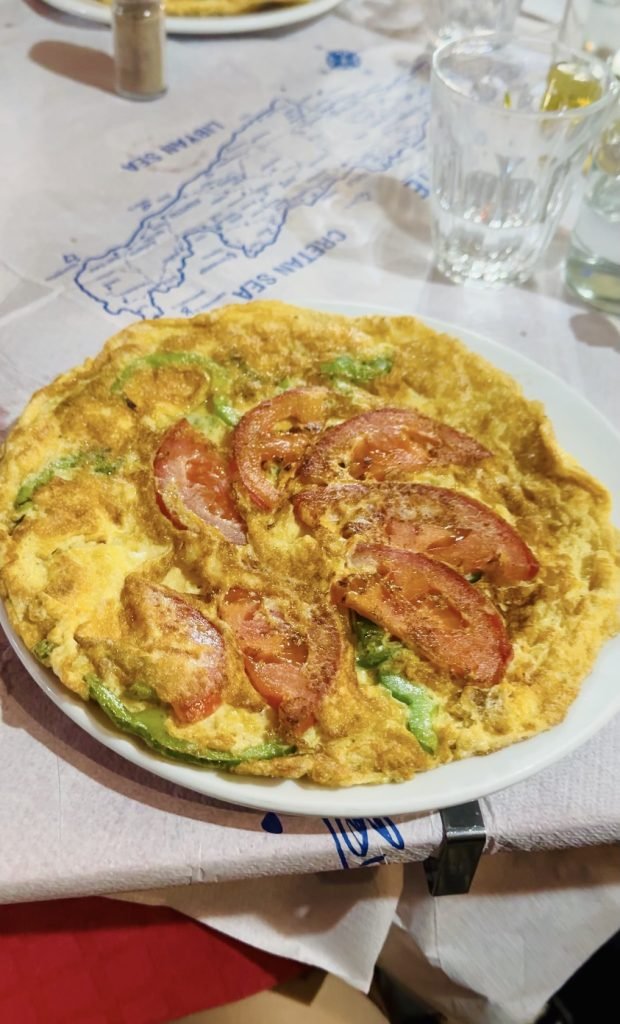
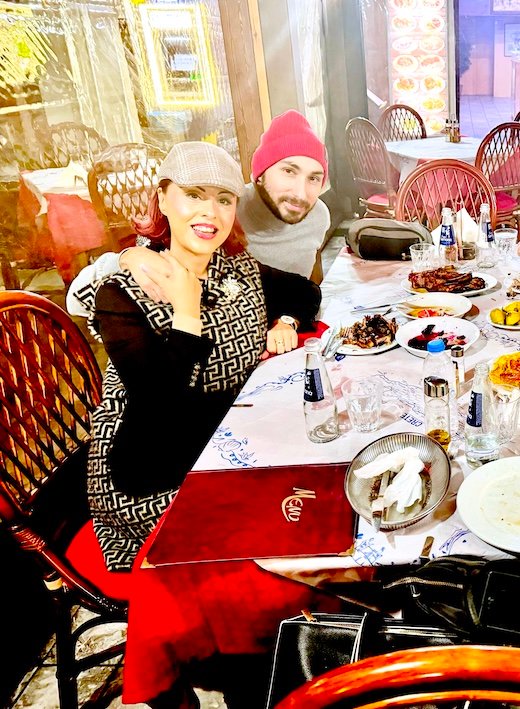
Our culinary journey continued at a traditional seaside tavern that operates around the clock. As the sun dipped below the horizon, we dined on tender grilled lamb chops and a freshly made fish broth—prepared without rice, as per our request. The simplicity and authenticity of these dishes were a revelation.
In contrast, a visit to a posh gourmet restaurant left me with a migraine the next day, prompting a moment of reflection. Perhaps the allure of fine dining lies in presentation, but for me, nothing compares to the purity of traditional Greek tavern fare. From that point on, we embraced the unpretentious charm of local taverns, sticking to simple, nourishing meals. I’ve written extensively about Saving your ketosis in a Greek tavern, and for those who want to explore this topic further, the article is available here.
Apollonas’ Lecture: Bridging Nutrition and Mental Health
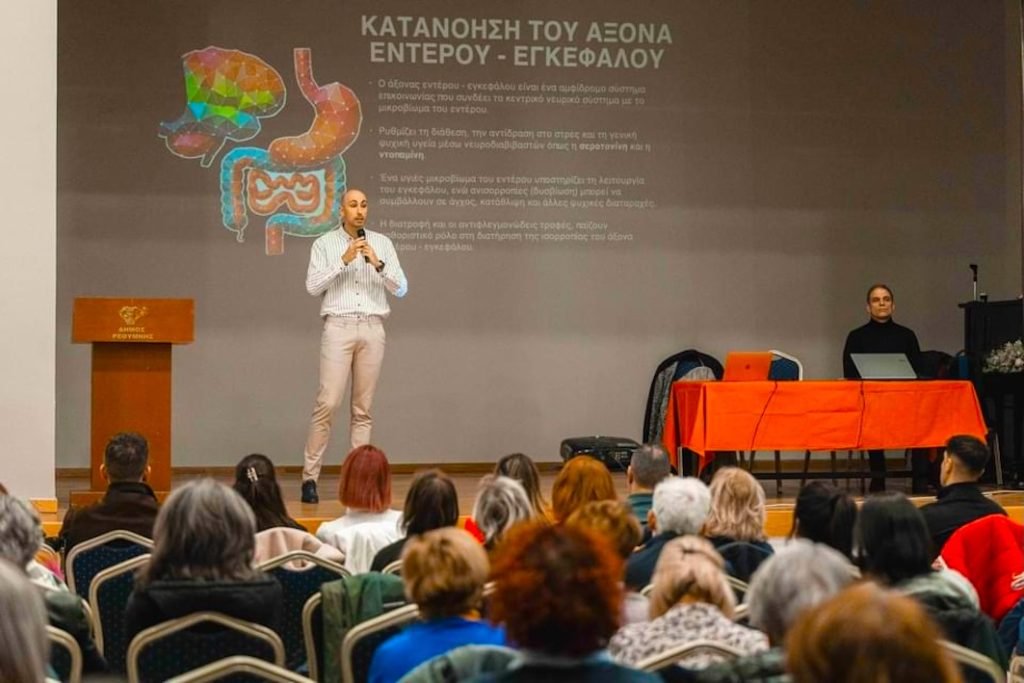
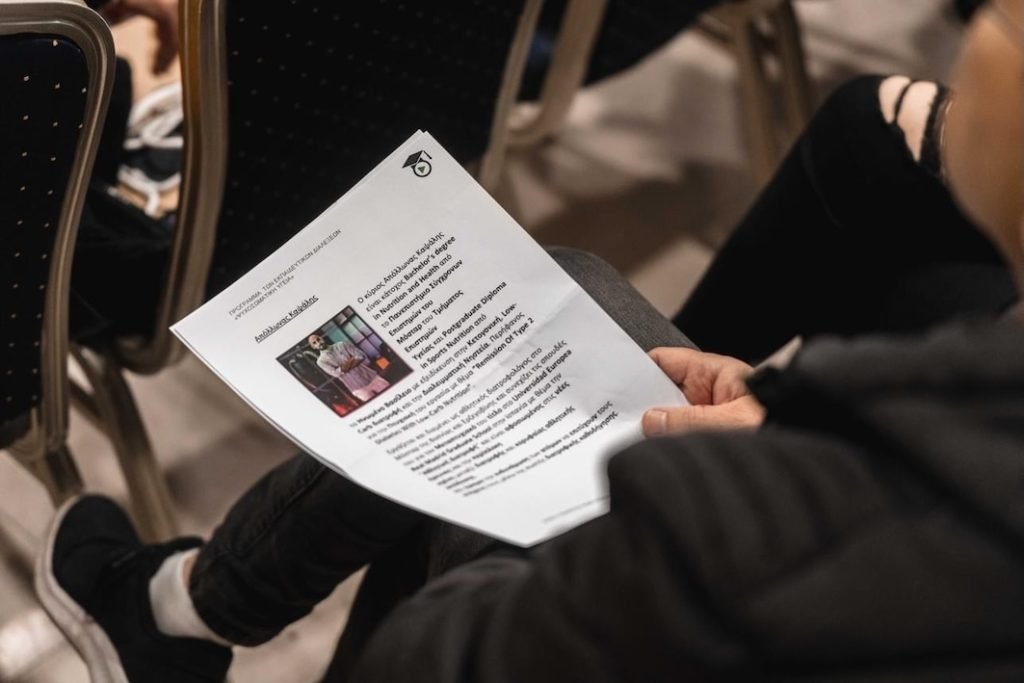
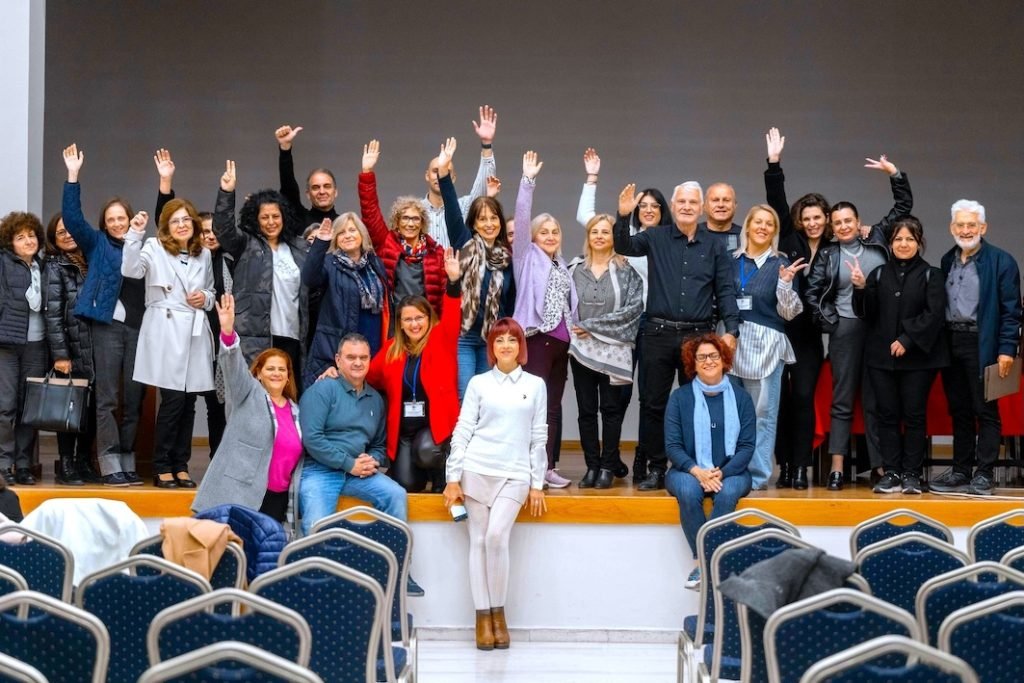
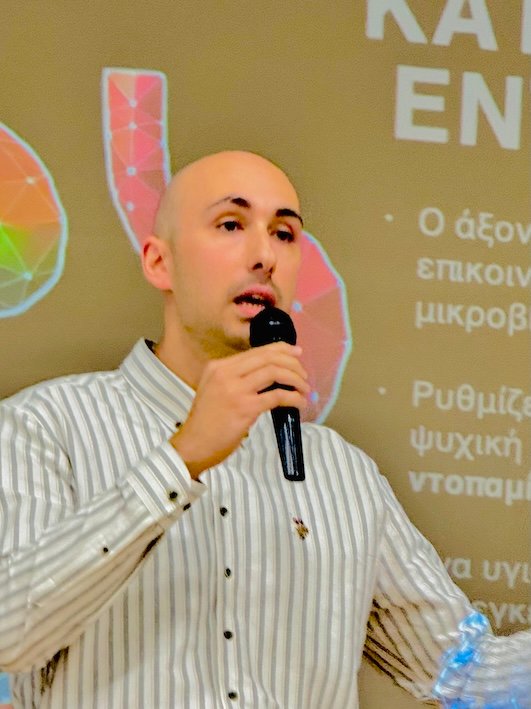
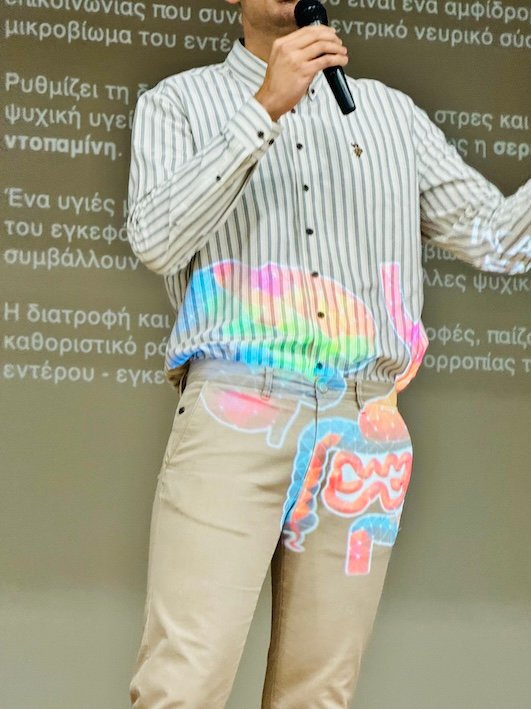
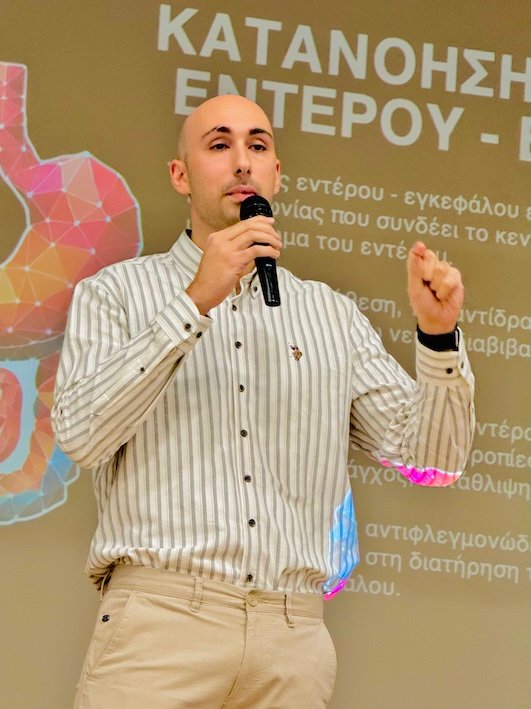
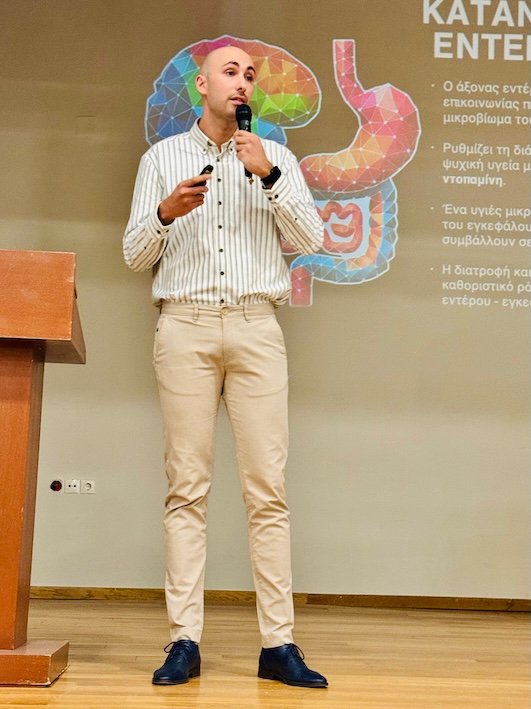
A pivotal highlight of our journey to Crete was Apollonas’ lecture titled “Nourishment for the Mind and Body: The Gut-Brain Axis in Psychosomatic Health through Nutrition.” Delivered to an audience of over 100 eager participants, the lecture delved into the profound connection between diet, gut health, and mental well-being. Drawing on the latest scientific research, including insights from experts like Dr Georgia Ede, Apollonas illustrated how our dietary choices influence brain function and psychosomatic health.
The discussion centred on the role of inflammation, often stemming from poor nutrition, as a disruptor of mental health and bodily functions. He highlighted the critical impact of deficiencies in nutrients such as omega-3 fatty acids, B-complex vitamins, and magnesium on cognitive health and emotional balance. Participants left with practical knowledge on how to make informed dietary decisions to reduce inflammation, support gut health, and promote mental clarity and emotional resilience. The lecture beautifully emphasised the interconnectedness of the gut-brain axis, leaving the audience inspired to embrace a balanced lifestyle rooted in the synergy of nutrition and holistic health.
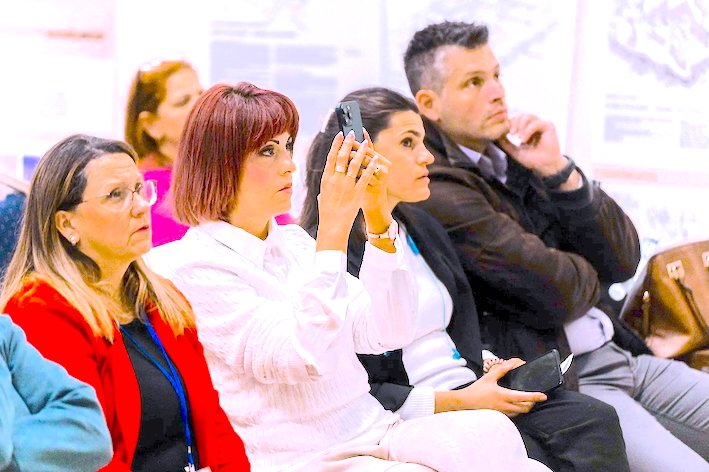
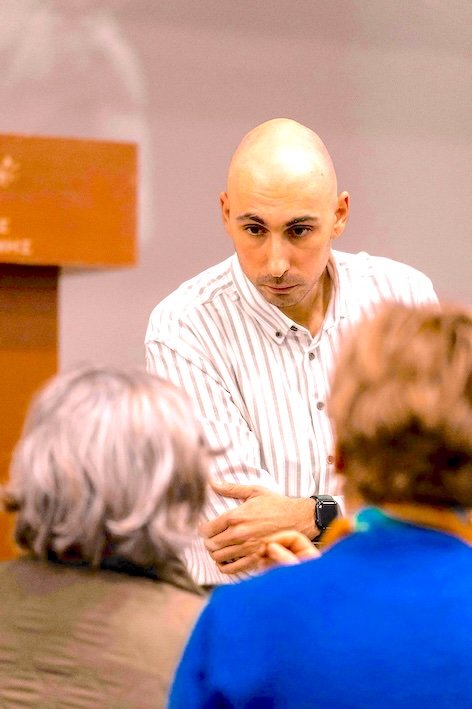
He shared insights into the latest research on the gut-brain axis and its implications for mental health, drawing on studies by renowned experts. The audience, ranging from medical professionals to nutrition enthusiasts, hung on his every word. The interaction, questions, and sheer enthusiasm reminded us why this work is so important—it is not just about what we eat but how food shapes our minds and bodies.
A Glimpse into Crete’s Ancient World
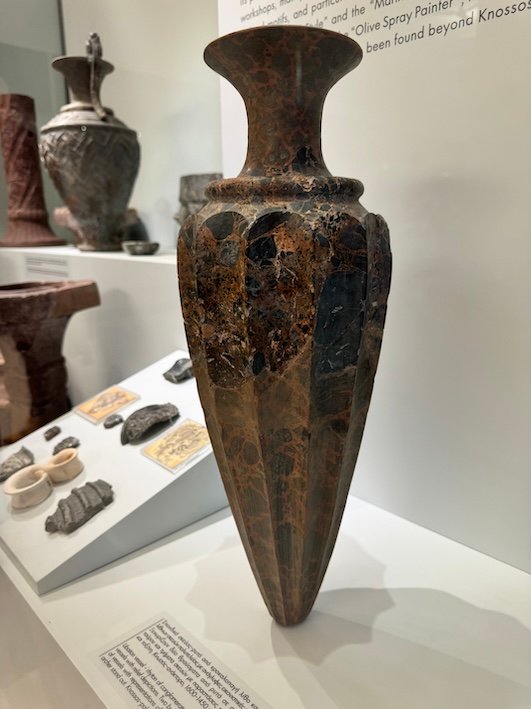
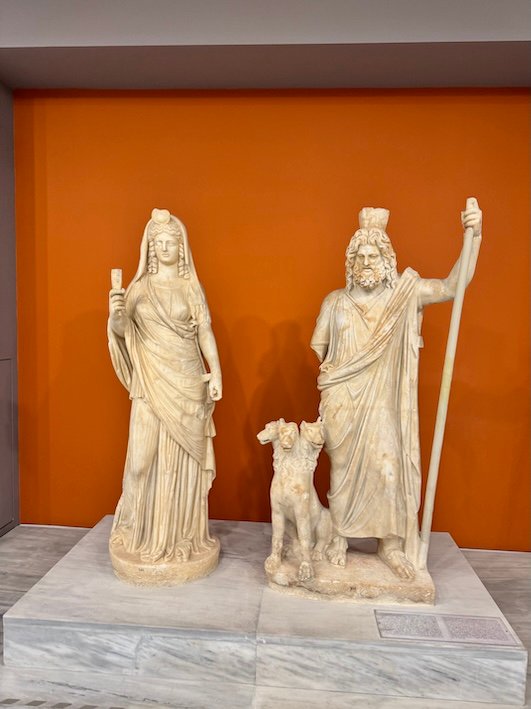
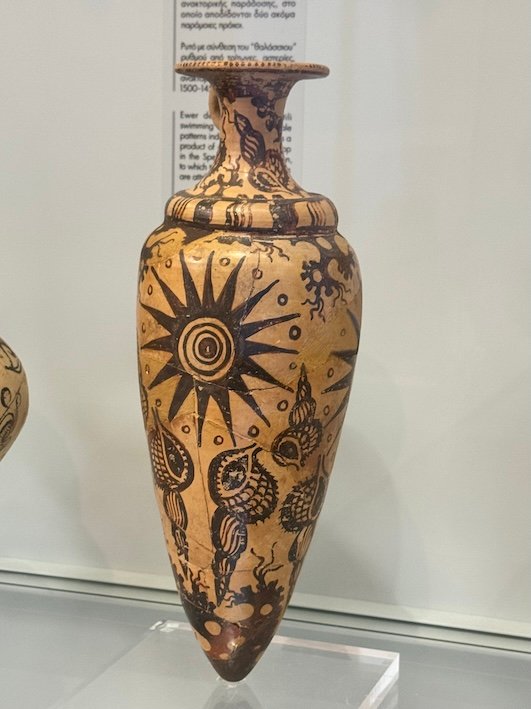
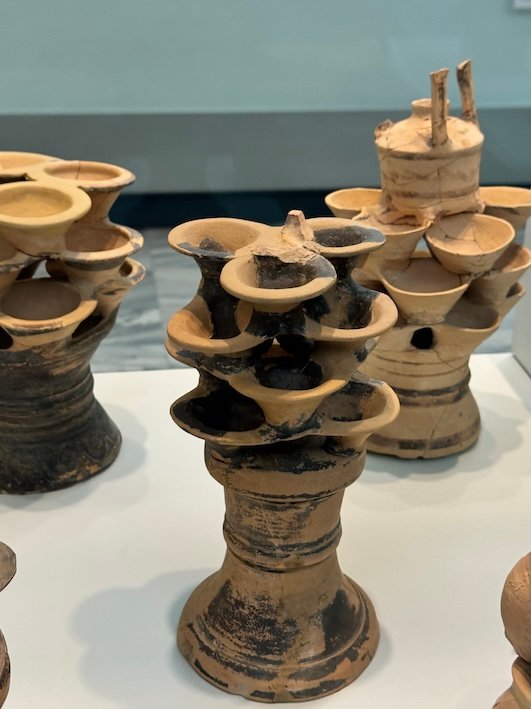
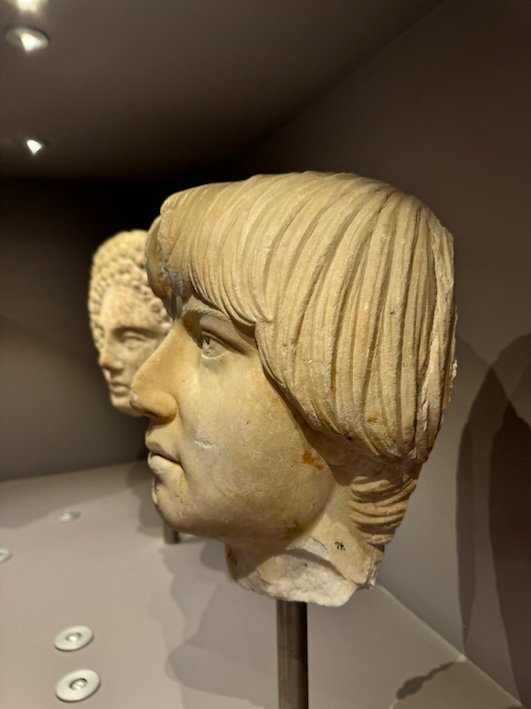
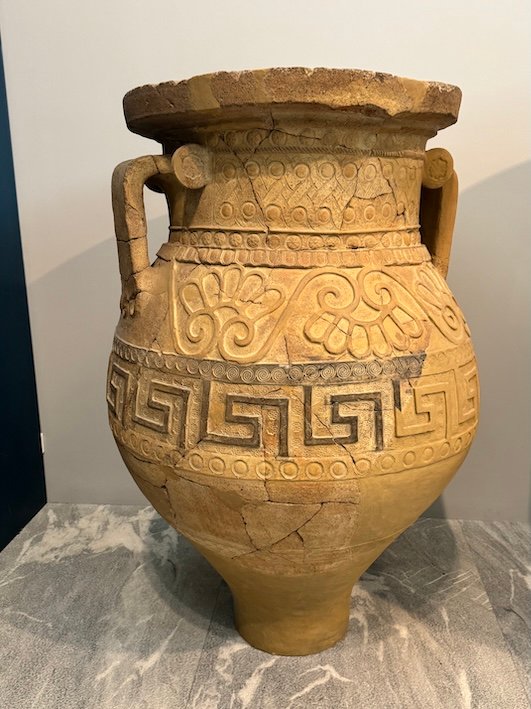
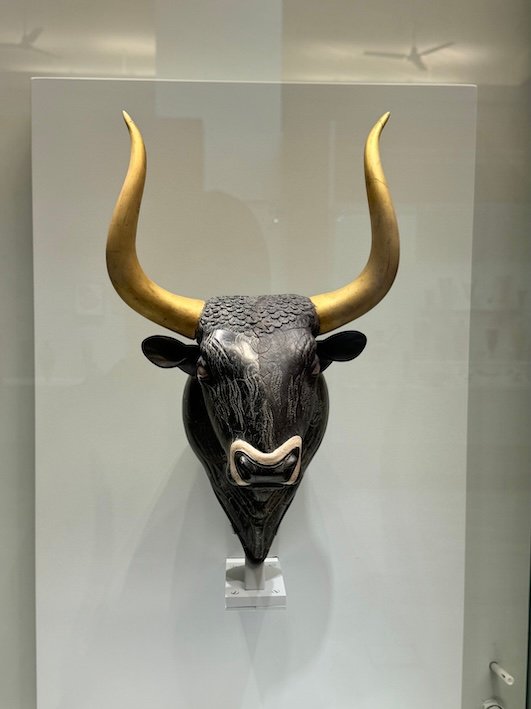
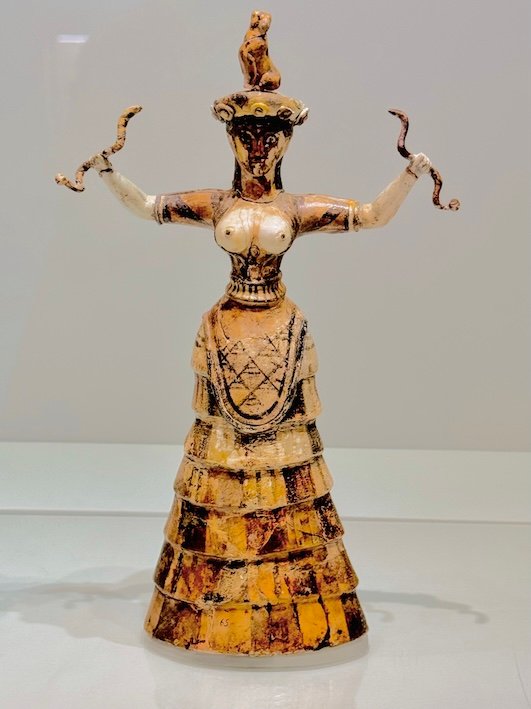
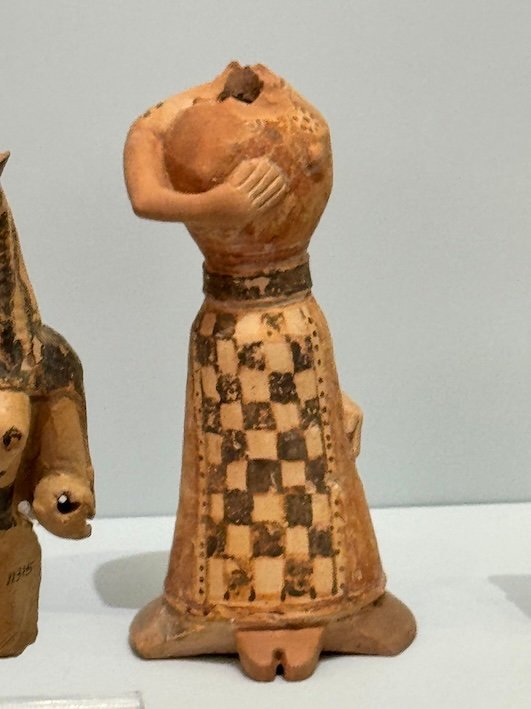
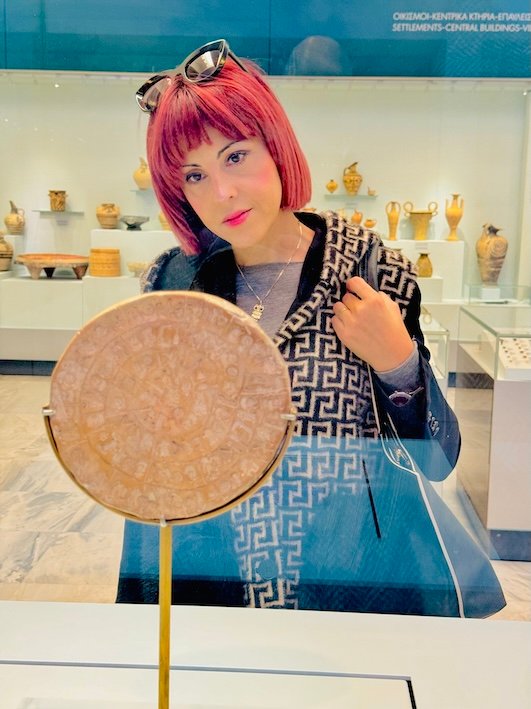
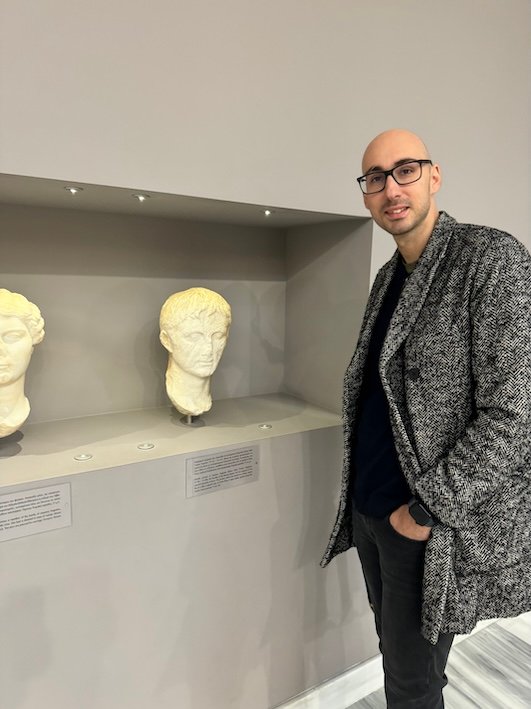
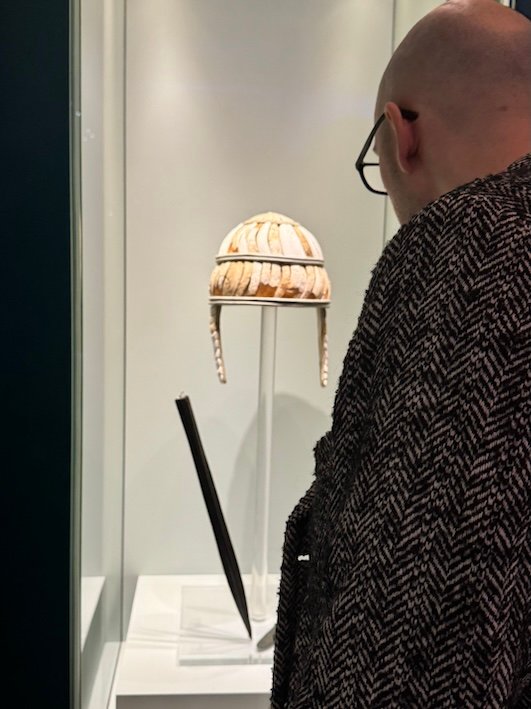
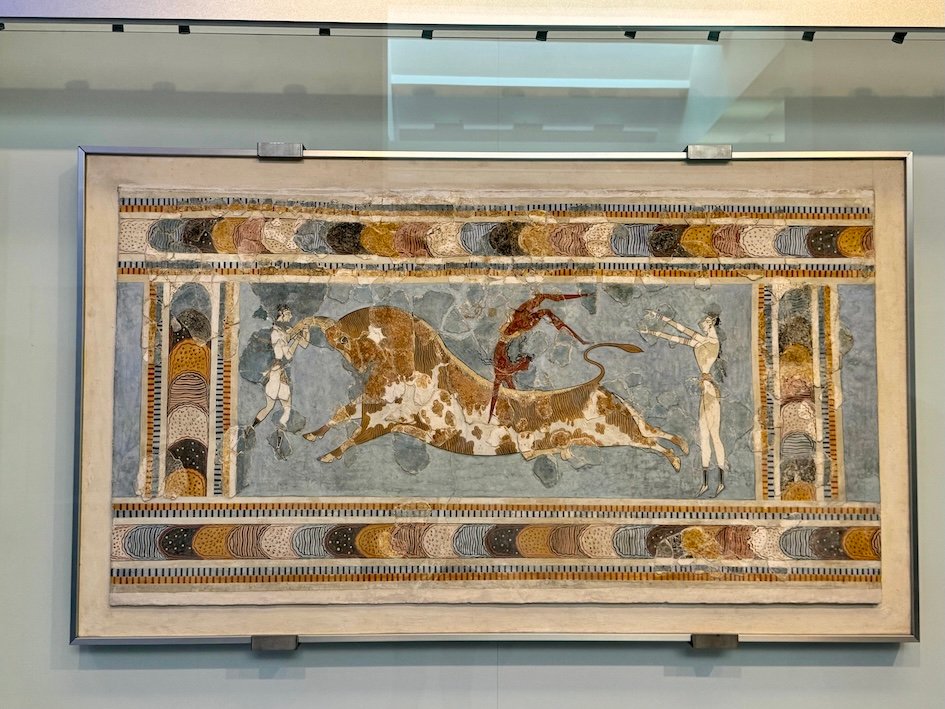
No trip to Crete would be complete without delving into its ancient past. A childhood dream came true when we visited the Archaeological Museum of Heraklion, which offered a glimpse into the sophistication and advantages of the Minoan civilisation. Artefacts from Knossos and other Cretan sites revealed a society rich in art, technology, and culture.
The museum’s treasures transported us back in time, from delicate frescoes of dolphins and lilies, and famous snake goddesses to intricately crafted jewellery that seemed almost modern in design. It was humbling to walk amidst such history, knowing these relics spoke of a civilisation that thrived thousands of years ago. we were especially impressed by the Classical era collection and the Roman period which was so rich in Crete. Of course, Romans knew about the significance and beauty of Crete.
A Taste of the Mediterranean Apothecary
As our journey came to a close, we stumbled upon a small, exquisite shop in Heraklion that showcased the island’s natural bounty. Vasiliki’s shop is a family-run business where the centre of philosophy is driven by a beautiful botanist lady – named Vasiliki and her children who follow a life philosophy as it was hundreds of years ago in Crete. The shelves were brimming with treasures—mastic extract, snail and donkey milk skincare products, dried sea buckthorn, and more that I had to purchase. Also, I couldn’t resist purchasing primrose oil and mastic resin, both staples in traditional Mediterranean remedies.
Four Days, a Lifetime of Memories
Four days were far too short to explore all that Crete has to offer. This island, with its blend of history, hospitality, and gastronomy, left an indelible mark on our hearts. From the Venetian charm of Rethymno to the ancient wonders of Knossos, and from Apollonas’ inspiring lecture to the delightful flavours of local cuisine, every moment was a testament to the richness of Cretan culture.
As we boarded our flight home, we knew this was not goodbye. Crete had woven its magic into our souls, and we are already dreaming of our next adventure on this timeless island.


