A Complete Guide to the Safest (and Riskiest) Pots, Pans & Utensils
Picture this: You’re whipping up a family dinner, but every time you stir, scrape, or sear, your cookware might be quietly adding unwanted chemicals or metals to the meal. The wrong materials can leach toxins, create inflammation over time, or even rob your food of nutrients. But what are the good ones? They protect your health while making cooking feel inspiring and relaxing.
Today we’re breaking it down with two clear lists: the unhealthiest and healthiest cooking and baking dish materials. Or as I like to say it, the good, the bad and the ugly kitchenwear. We’ll also offer insider details on stainless steel grades, cast iron pitfalls, non-stick dangers, and a brutally honest review of Gordon Ramsay’s latest viral pots and pans. Let’s make your kitchen less toxic, shall we?
The Healthiest Cooking & Baking Materials (Ranked – Clay Takes the Crown)
Here are the materials that give your food the gentle, non-toxic treatment it deserves:
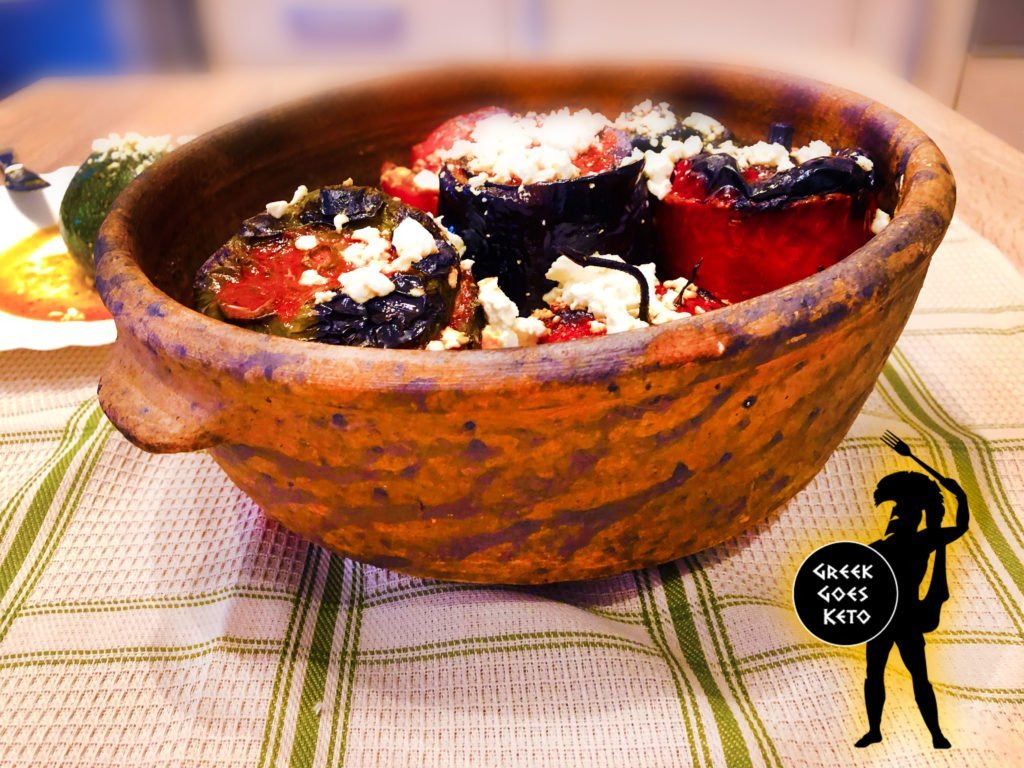
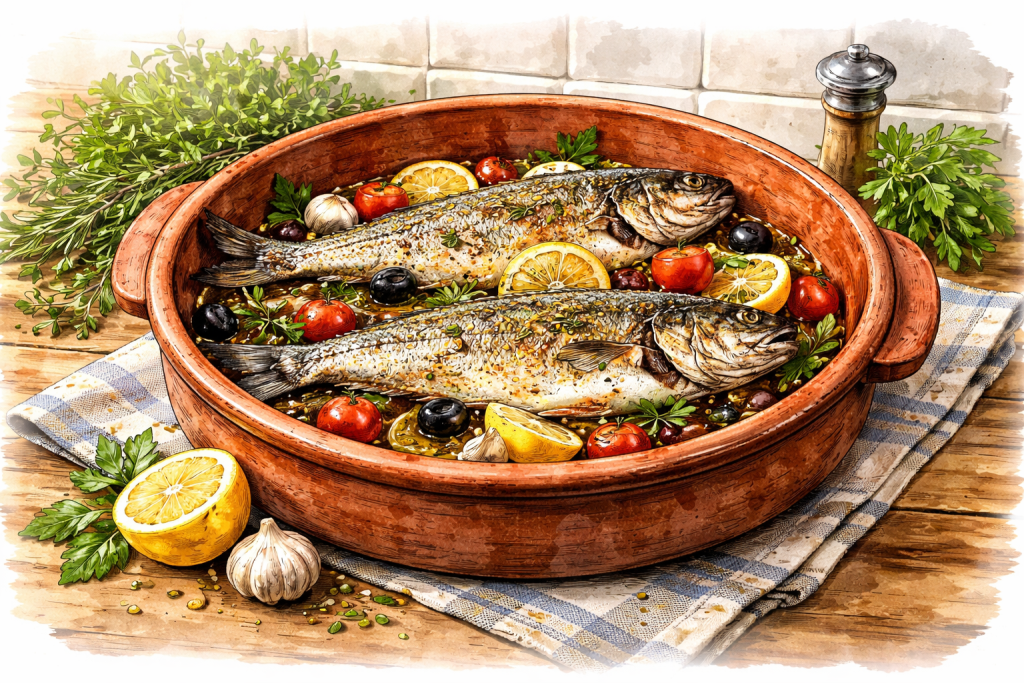
- Clay Pots (Earthenware / Pure Clay) – The absolute best traditional clay pots win hands-down. They’re 100% natural, porous enough for perfect moisture circulation, and cook with gentle, even far-infrared heat that locks in vitamins, minerals, and flavor without destroying them. No metal leaching, no synthetic coatings, and they even help alkalise food for easier digestion. From Iancient Greeks and Romans to Mexican cazuelas, cultures have trusted clay for centuries and modern pure-clay versions (unglased or properly glased with inert materials) deliver the cleanest cooking possible. They’re oven and stovetop safe and get better with age.
- High-Grade Stainless Steel (True “Rostfrei”) Durable, non-reactive, and built to last decades. It distributes heat evenly (especially with an aluminum or copper core) and won’t interact with acidic foods like tomatoes or vinegar.
- Well-Seasoned Cast Iron Excellent heat retention and naturally non-stick once seasoned. It can even add beneficial iron to your food.
- Enameled Cast Iron or Enameled Steel (More on this neutral option below.)
- Carbon Steel & Pure Ceramic/Glass Great runners-up for high-heat searing or baking.
The Unhealthiest Cooking Materials (Steer Clear!)
These are the ones that can turn your healthy meal into a hidden toxin delivery system:
- Non-Stick Coatings (Especially PTFE/Teflon-Based) – The worst offenders scratches, high heat, or even normal wear can release per- and polyfluoroalkyl substances (PFAS/“forever chemicals”). Overheated non-stick pans give off toxic fumes linked to flu-like symptoms, hormone disruption, and long-term health risks. Even “PFOA-free” versions often contain other concerning compounds. Once the coating flakes, you’re eating micro-plastics and chemicals. Hard pass.
- Uncoated or Cheap Aluminum Leaches aluminum into food (especially acidic or salty dishes), and low-quality versions may carry other heavy metals.
- Low-Grade or Unlined Copper Reacts with food and can release excessive copper.
Stainless Steel Deep Dive: “Rostfrei” Explained and Why Grade Matters for Your Cutlery Too
“Rostfrei” is simply German for “rust-free” — aka stainless steel. It’s the workhorse of professional kitchens for good reason: corrosion-resistant, strong, and safe once you hit the right grade.
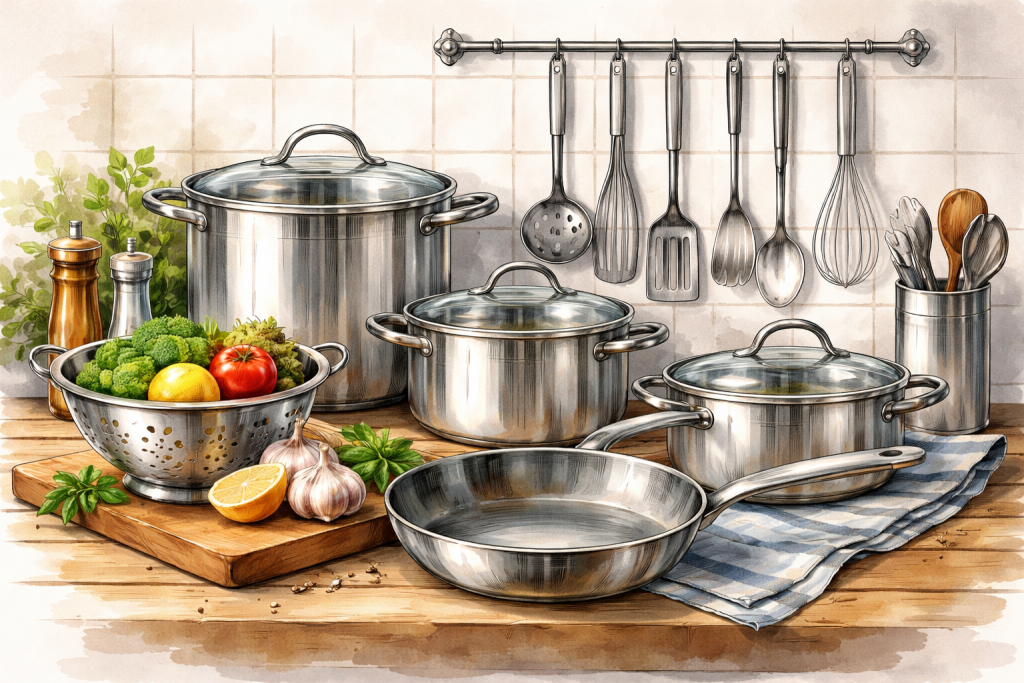
Here’s the grade breakdown (the higher the better):
- 18/10 or 18/8 (304 stainless): 18% chromium + 10% or 8% nickel. Excellent rust resistance, beautiful shine, and the standard for premium cookware and cutlery.
- 316 stainless: The “marine-grade” upgrade with added molybdenum. Even better against acids and pitting; ideal for people with nickel sensitivity.
- 18/0 (430 stainless): Cheaper, more magnetic, lower nickel. It works but rusts faster and pits easier: avoid for daily use.
Stainless steel isn’t just for pots, it’s what your spoons, forks, knives, and all cutlery are made from. Cheap 18/0 cutlery can rust in the dishwasher, develop pits that harbor bacteria, or (in sensitive people) release trace nickel. Always buy high-grade 18/10 or 316 stainless utensils. They stay bright, resist corrosion, and won’t leach anything meaningful into your food after the very first few uses. Invest once and your silverware will outlive you.
Cast Iron: Amazing… If You Handle It Right
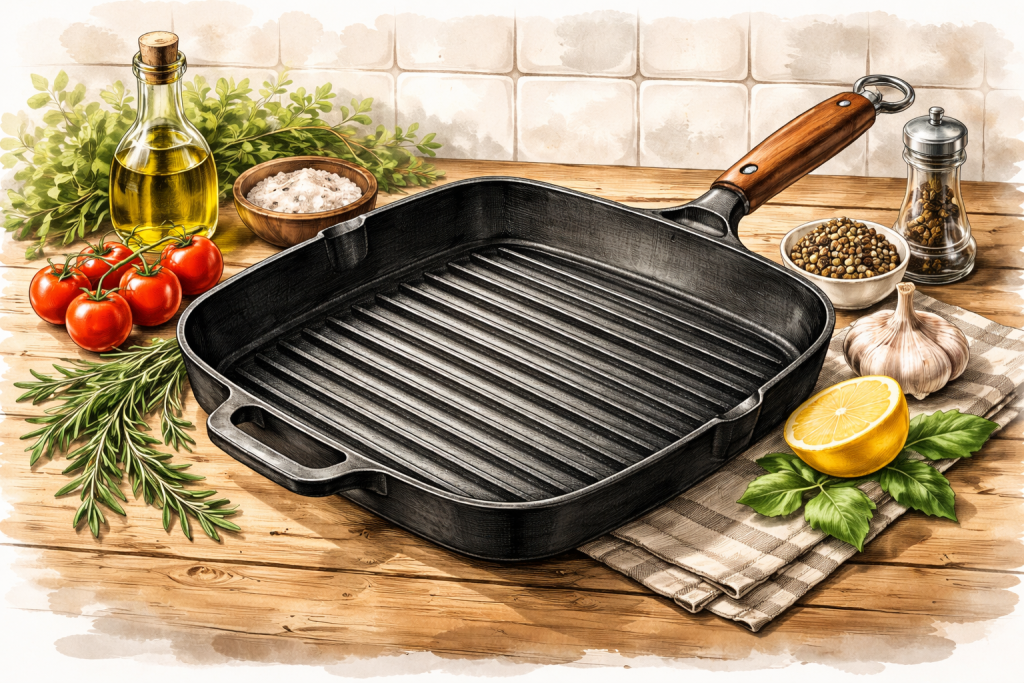
Cast iron delivers restaurant-worthy searing and incredible heat retention. But it’s not foolproof. If you skip seasoning, it rusts. If you use it for frying at very high temperatures oils can form harmful compounds. And cheap cast iron sometimes uses lower-quality metal with impurities or uneven thickness that leads to hot spots and sticking. Treat quality cast iron like a cast-iron skillet deserves. Season it properly, avoid soap on the seasoning, and it becomes a lifelong (and health-boosting) friend.
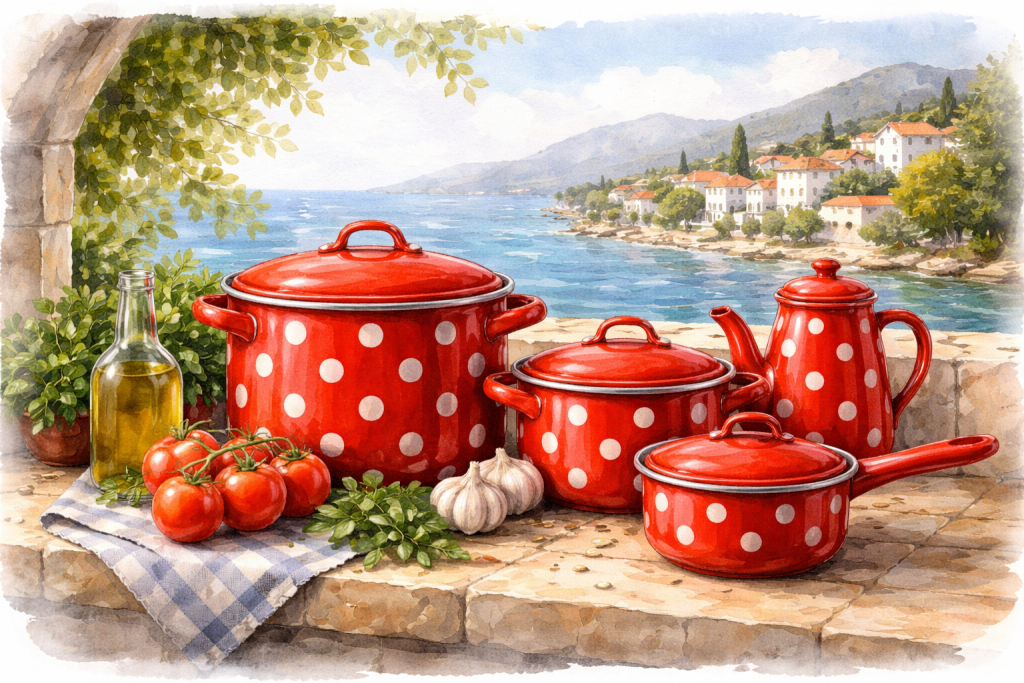
Enameled Cookware: The Grandma’s Choice
Enameled cast iron or steel (that glossy porcelain-like coating) is something we ghrew up with in the Mediterranean zone. we can say that it is essentially inert, no leaching, easy to clean, and safe for acidic foods. It’s not quite as “pure” as plain clay, but it’s perfectly neutral and worry-free as long as the enamel isn’t chipped (which would expose the base metal). Think Le Creuset-style Dutch ovens: beautiful, functional, and health-safe.
Honest Review: Gordon Ramsay’s Latest Pots & Pans (HexClad 2025–2026 Collection)
Gordon Ramsay doesn’t just endorse these pots and pans, he says he only cooks with them at home and calls them “the Rolls-Royce of pans.” Hmm… The latest HexClad Signature and hybrid sets are tri-ply construction: magnetic stainless steel exterior and interior hexagons, with an aluminum core for lightning-fast, even heating. The magic he promises is the patented laser-etched hexagonal pattern, raised stainless-steel peaks give you perfect searing and browning (like cast iron or pro stainless), while the valleys use their proprietary TerraBond™ ceramic non-stick coating.
Important update: As of 2024/2025, HexClad switched to this ceramic formula, which is officially PTFE-free, PFOA-free, and PFAS-free (no forever chemicals). They are claiming It’s oven-safe to 500°F/260°C, induction-ready, dishwasher-safe, and comes with a lifetime warranty.
Honest verdict? They’re genuinely excellent for performance. Food releases effortlessly, cleanup is a breeze, and they deliver pro-level results whether you’re searing steak or simmering delicate sauces. The hybrid design solves the “one pan can’t do everything” problem brilliantly.
But are they the healthiest? Not quite!!! The ceramic non-stick valleys, while far safer than old-school Teflon, can still wear over years of aggressive use or metal utensils. If you want zero coatings whatsoever, pure clay pots or plain high-grade stainless win for absolute purity. That said, we have to remember that we, the Greek Goes Keto couple are quite old-fashioned peop0le, but we love futuristic inovations that have wellness at first place. The cookwear Ramsey offers, simply, is not that!
Final Takeaway
Start with clay pots for your everyday cooking and baking. your body (and taste buds) will thank you. Layer in high-grade 18/10 or 316 stainless for versatility, treat cast iron with respect, and skip non-stick entirely! Upgrade your cutlery to proper rostfrei grades too. And if you consume honey, please invest in wooden and ceramic spoons and scoops.
Your kitchen, your rules. Cook clean, eat well, and enjoy every bite guilt-free! What’s the first swap you’re making? Drop it in the comments, let’s build healthier kitchens together.