How to Survive March’s Teeth
Various storms are shaking the whole world, but here in the Mediterranean, in Greece, we’re all feeling the chill more than others. An unusually cold March is showing its teeth like the Greek god Ares himself, after whom the month is named in Latin (Mars, Martius).
March, or Martios, takes its name from Mars (our Ares), because in ancient times it marked the first month of the year. This was a time when armies marched after winter and new cycles of life began. Ares was the god of war, but also the protector of fields and fertility, so Martios symbolised the transition from darkness to light. In Greece we have our own layered name for it: Mártis gdártis – March the skinner! The weather behaves like a mischievous god: one day it tempts us with warm sunshine and the scent of almond blossom, the next it bites with icy northerly winds, rain and even snow on the mountains. Just as the old saying goes, March laughs and then suddenly cries, deceiving both flowers and people.
This year, March has bared its teeth particularly viciously and deceitfully. While geopolitical storms shake the world, from the escalation of conflicts in the Middle East to energy tensions in Europe and global threats of wider unrest, a real winter has returned right in the middle of March across Greece. Snow dusting the peaks of Parnassus, Taygetus and even the mountains of Crete, freezing nights, and temperatures barely climbing above ten degrees during the day. It feels as if nature is reminding us that spring is still locked in the underworld with Hades. Throughout history, March has always been the most dangerous month for colds and flu: a transitional period when our immune systems are at their weakest after a long winter, and we start venturing out and spreading viruses in closed spaces. That’s why they say March “bites” just like Ares’ teeth.
The Furious World
In the last 24 hours, geopolitical tensions in the Middle East have reached a new, dangerous level: Israel carried out precise strikes on the largest Iranian gas field South Pars, while Iran retaliated with attacks on LNG terminals in Qatar and refineries in the Gulf. Oil prices have exceeded 110 dollars per barrel, and at the European Union summit in Brussels, leaders are discussing the energy crisis and possible sanctions, although they reject direct military engagement. This energy front of war threatens to destabilise global markets precisely at the moment when this unusual cold with snow on our Greek hills still looms, further amplifying the sense of collective vulnerability before unpredictable storms, both natural and political. Here in Greece we feel it acutely, higher heating costs, pressure on our olive oil and tourism economy, and the ever-present reminder of how connected our Mediterranean home is to the wider world.
In Our Backyard…
Greece is facing serious weather challenges: heavy rains have caused rivers to overflow in several regions, floods in low-lying areas and evacuations of families, while civil protection services remain on alert due to warnings of flash floods and further precipitation. In higher areas snow is falling, and strong northerly winds are making roads slippery and daily life difficult, further emphasising March’s unpredictable nature. At the same time, on social networks, voices of hatred and intolerance are multiplying. Anonymous profiles are exploiting this natural crisis to fan old divisions, spread fake news and incite conflict, turning a moment of vulnerability into fuel for prejudice and bitterness. There has never been enough space, time or collective will here for true healing, forgiveness and reconciliation, so such voices flourish.
Can We Help Even a Little?
There is, however, a way to get through the March blues, depressions, anger, colds and general chaos. Can we do it the Greek keto way? The key is to accept that March is a trickster, just like the changeable weather itself. While we dream of the warm May sun on our terraces, we should focus on small, warming rituals that strengthen body and spirit and keep us firmly in ketosis.
Greek Keto Remedies for Colds and Spring Fatigue
- Greek Mountain Tea (Tsai tou Vounou / Sideritis) – our mountain ally, grown wild on the slopes of Olympus and Crete. Rich in antioxidants, iron and anti-inflammatory compounds, it cleanses, boosts immunity and restores energy. Two cups a day, brewed strong with a twist of lemon and a generous splash of extra-virgin olive oil (yes, the keto way!), and you’ll feel the difference almost immediately.
- Lemon-Honey Elixir – a centuries-old Greek remedy. Grate a whole frozen lemon (peel and all), pour over freshly boiled water, add a teaspoon of raw Greek thyme honey (or a our keto honey substitute if you’re strict) and a pinch of cinnamon. – warms you from the inside while keeping blood sugar stable.
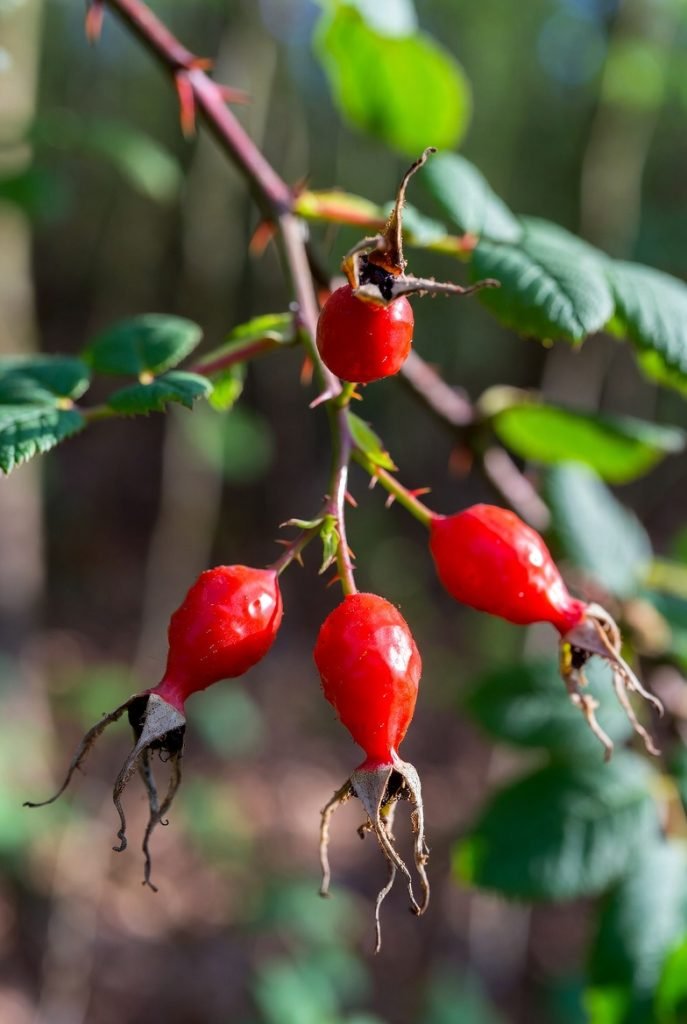
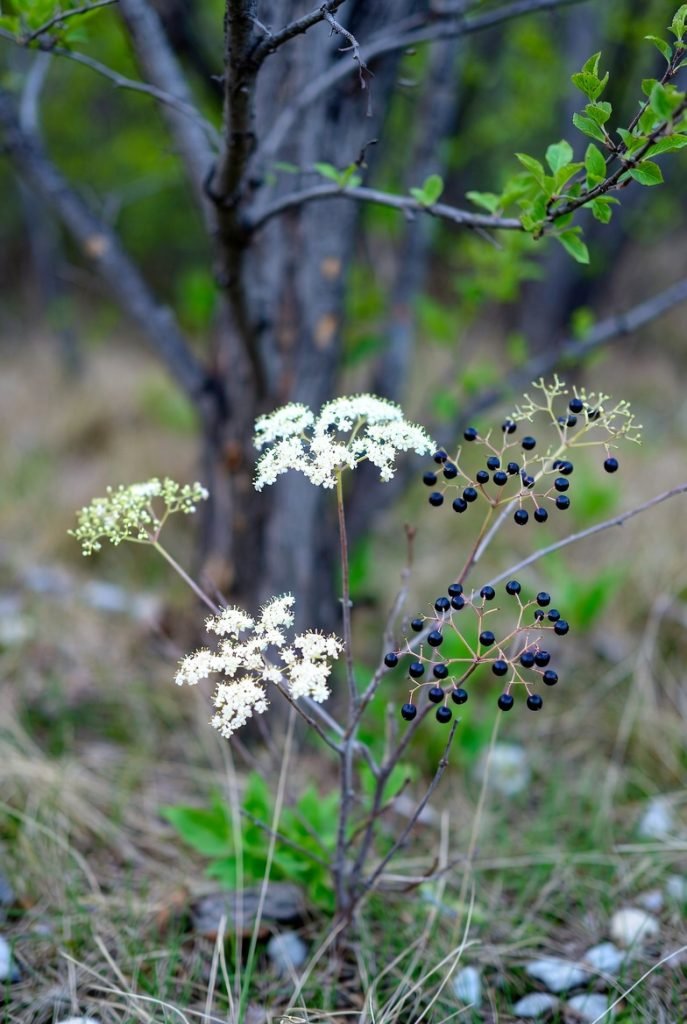
- Rosehip and Elderberry – packed with vitamin C that we’ve been missing during the grey days. Tea from dried rosehip (kynórodon) or elder (samboukos) with a little lemon balm acts as a natural shield. Add a spoonful of Greek full-fat yoghurt for extra creaminess and probiotics.
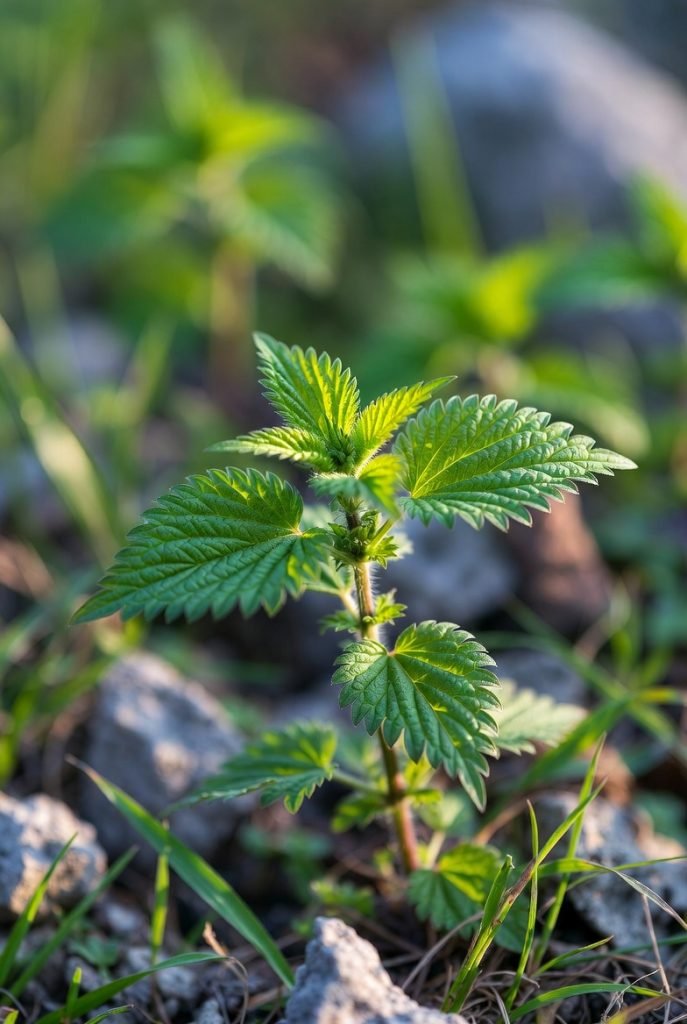
- Spring Detox Drink: a mixture of nettle (30 g), elderberry (25 g), rosehip (20 g), Greek mountain tea (20 g) and a touch of oregano (10 g). Boil gently for ten minutes and sip throughout the day for a week. Most people notice their energy returning after just three or four days.
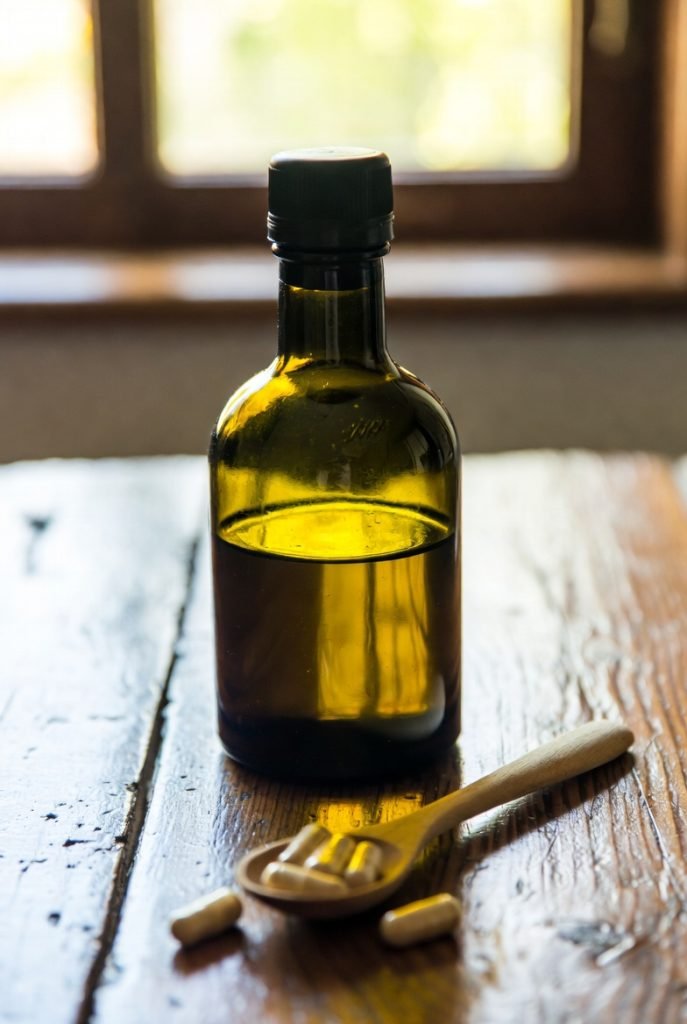
- Cod Liver Oil or Fatty Greek Fish – nothing restores your omega-3 balance, vitamin D and reduces inflammation like this. One tablespoon of high-quality cod liver oil a day, or better still, enjoy grilled sardines or mackerel drizzled with olive oil. Your brain and joints will thank you.
How to Stay Sane When the World Goes Wild and People Become Quarrelsome
People in March often act “on the edge”. Science explains this through meteopathy: sudden changes in atmospheric pressure, humidity and temperature affect serotonin and melatonin levels. Lack of sun lowers vitamin D, leading to fatigue and irritability. The strong winds here in Greece particularly affect the nervous system, and a drop in pressure increases nervousness. So neighbours become impatient, drivers irritable, and the general atmosphere tense. Add apocalyptic news cycles and it’s easy to lose perspective.
Inner Peace – The Greek Keto Way
- Limit news exposure to thirty minutes a day and choose reliable sources. Turn off the TV.
- Practise the ancient breathing technique: inhale for four seconds, exhale for six, repeat five times when tension rises – it’s free and instantly calms the mind.
- Walk for twenty minutes in fresh air (when the winds ease) through olive groves or along the coast; this raises endorphins and keeps you in fat-burning mode.
- Move in ways you truly love – whether it’s a brisk hike up a hill or gentle yoga on your balcony. Forcing exercises you hate will only make you more irritable.
- Listen to the music you loved at sixteen – it reconnects you instantly.
- Massage with warm olive oil and a sauna or hammam session – the ancients knew why this works on every level.
- Spend half an hour in meditation, prayer or quiet reflection with a candle – or simply light a fireplace.
- Avoid excess coffee and alcohol; they amplify irritability. Stick to herbal teas and bone broth instead.
- Read the works of Marcus Aurelius and the other Stoics, or revisit the wisdom of Hippocrates. True strength lies in accepting what we cannot change.
March lies, but its lie carries a message. Those sharp teeth serve only to remind us how precious warmth truly is. When the storm passes, real spring arrives. The almond trees will burst into bloom, the sun will warm the ancient stones, and those of us who have survived Ares’ teeth, will emerge healthier, calmer and more resilient. Laugh at the skinner month, sip your mountain tea, wear your martaki bracelet, and know this: after every heavy winter comes the most beautiful spring.