The Plastic Trap of Summer: We say NO to Polyester and Polyamide Swimwear
There’s something almost sacred about the moment we slip into a swimsuit, the promise of salt, sun, and weightlessness. But what if the very fabric we trust to wrap around our bare skin is doing more harm than good?
I still remember a summer morning on a small Adriatic island. The air smelled of pine and sea salt, and I had just put on a brand-new swimsuit—shiny, stretchy, and labelled “high-tech.” By sunset, my skin was inflamed, itchy, and blotchy. I was too young to understand what polyester or polyamide meant, but my body certainly knew. Decades later, science is confirming what my skin tried to say all along: synthetic swimwear is not just uncomfortable. It’s toxic.
🧪 The Silent Health Hazards of Synthetic Swimwear
1. Trapped Heat, Moisture and Bacteria
Polyester and polyamide don’t breathe. They trap moisture and heat, creating the perfect conditions for bacteria, yeast, and skin irritation. This is especially problematic during summer, when skin is exposed, damp, and vulnerable. Conditions such as folliculitis, eczema, and acne often flare in response to non-breathable synthetic fabrics.
2. Heavy Metals and Toxic Chemicals
A 2015 study published in Environmental Toxicology and Chemistry revealed that dark-dyed polyamide clothing can contain high levels of chromium (up to 605 mg/kg), while polyester may contain antimony, a potentially carcinogenic metalloid, at levels up to 141 mg/kg. These substances can leach into the skin, especially with body heat and sweat acting as catalysts.
3. Microplastics in Human Blood
Recent research (Vrije Universiteit Amsterdam, 2022) detected microplastics in nearly 80% of blood samples taken from volunteers. These particles, often originating from synthetic textiles, have been linked to oxidative stress, immune regulation failure, and cardiovascular risks. When you wear plastic against your skin in the sun, in the sea, you’re not just soaking in sunlight. You’re absorbing a toxic legacy.
🌍 The Environmental Cost: From Oil Rigs to Ocean Waste
How are polyester and polyamide made?
Both fibres are petroleum-based. Polyester is created through the polymerisation of ethylene glycol and terephthalic acid, while polyamide (nylon) is made from hexamethylenediamine and adipic acid. These processes require vast amounts of energy, release nitrous oxide (a greenhouse gas 310 times more potent than CO₂), and involve toxic solvents.
Microfibre Pollution
Every time synthetic swimwear is washed, it releases microplastic fibres into wastewater. These fibres are too small to be filtered and end up in rivers, seas, and eventually our food chain—ingested by marine life, and by us.
Non-Biodegradable Legacy
Unlike cotton or hemp, synthetic materials do not biodegrade. A polyester swimsuit could remain in the ocean for up to 500 years, slowly breaking down into particles that continue to pollute ecosystems long after we’re gone.
📜 A Brief History: How Plastic Took Over Fashion
Polyamide was first patented in 1935 by DuPont as an alternative to silk, and polyester followed in 1941. Marketed as “miracle fibres,” they were celebrated for their durability, elasticity, and affordability. For post-war generations, synthetics represented modernity and progress. What no one discussed was the cost: not just to the skin, but to the soil, the sea, and the cells within us.
🍃 The Natural Fabric Revolution: Swimwear Without Plastic
Despite the dominance of synthetics, a new generation of designers is rejecting plastic in favour of natural biodegradable textiles. These brands understand that what we wear matters, not only for style, but for planetary and personal health. Now, you need to research a bit and you would be surprised how many natural alternatives exist. I will share with you what I have discovered for this summer.
My rec ent travel to Italy gave me the opportunity to purchase a crafting swimwear from truly natural materials. When I tried it on, I just felt the company is not lying about a thing.
Please note that this article is not paid or sponsored, I am writing it out of true enthusiasm and satisfaction.
So, my choice for this summer if you are located in Europe is:
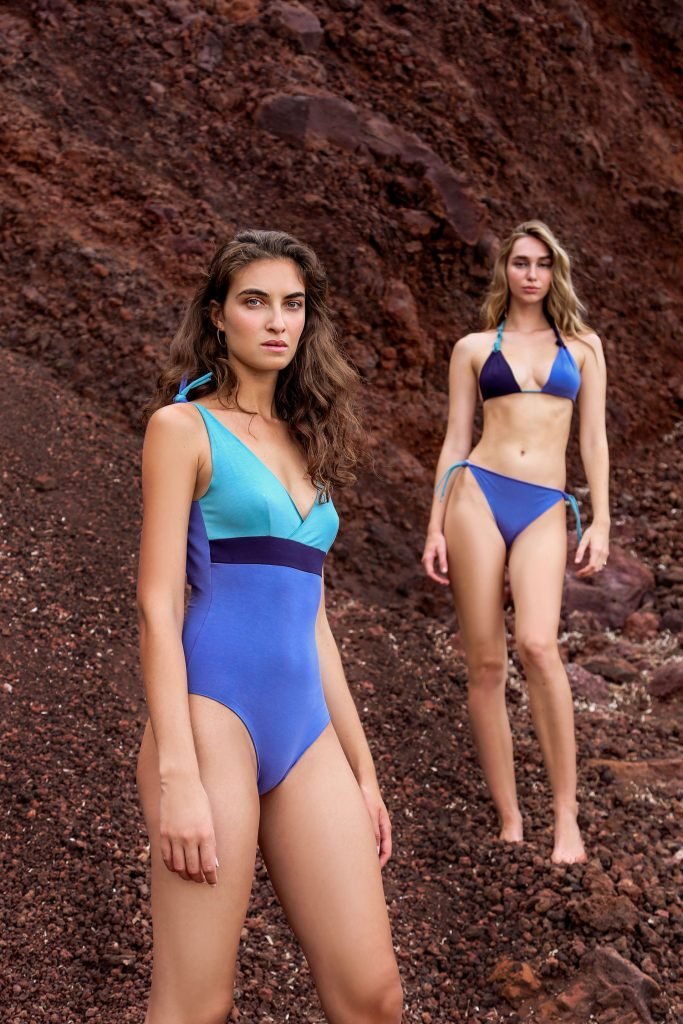
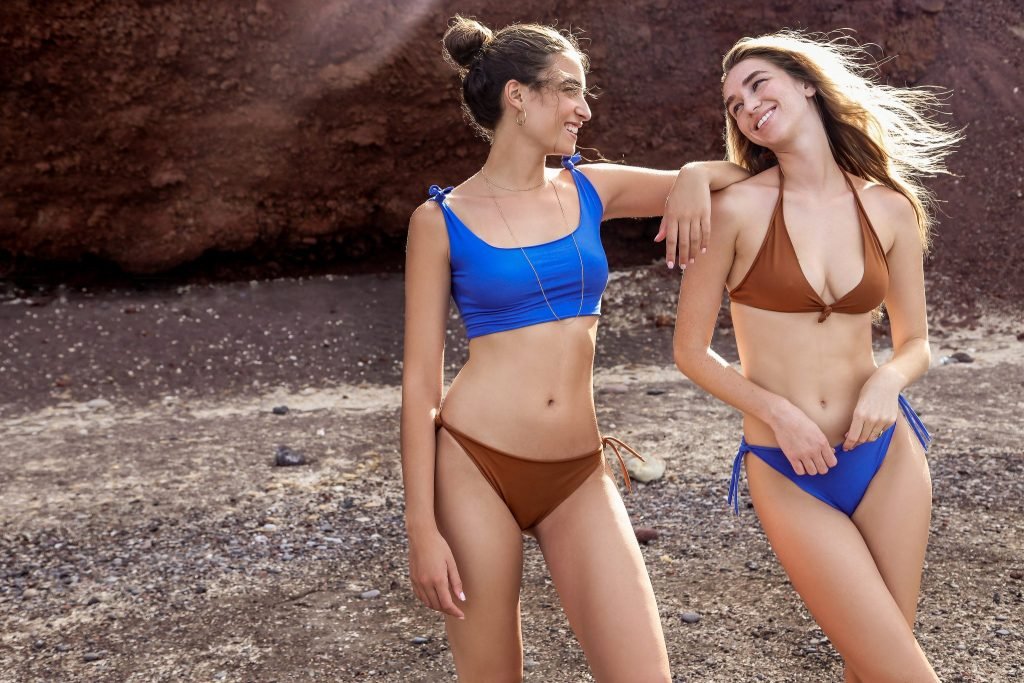
- Isole & Vulcani (Italy) – Uses 93% GOTS-certified organic cotton and 7% natural elastane. The aesthetic is raw and earthy, designed for those who embrace natural beauty.
Note: These pieces may lack the “snap back” effect of synthetics, but they breathe, they heal, and they return to nature without leaving scars.

🧡 For my Americans – A Natural Alternative with Adriatic Soul
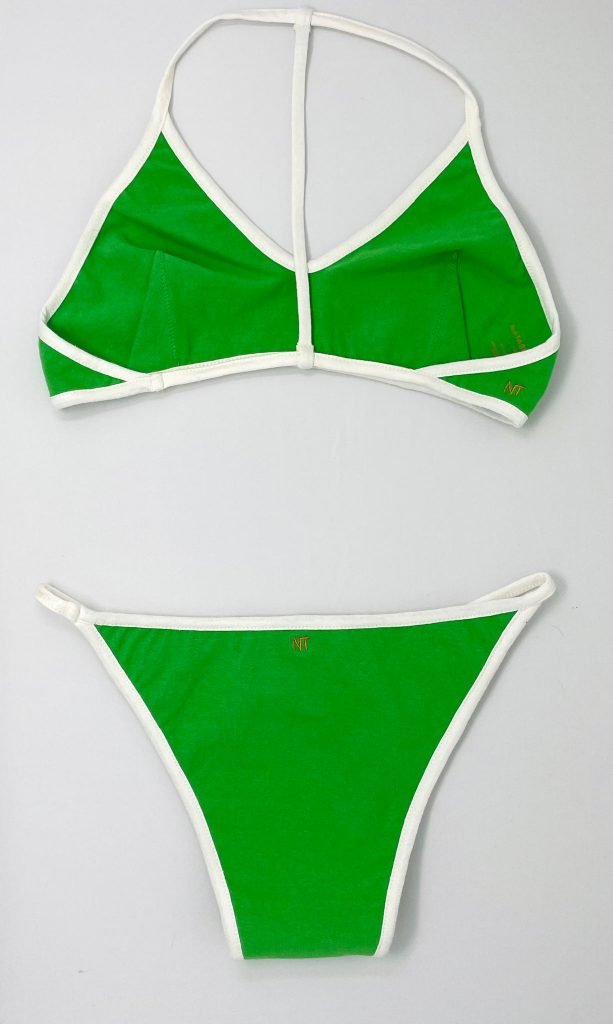
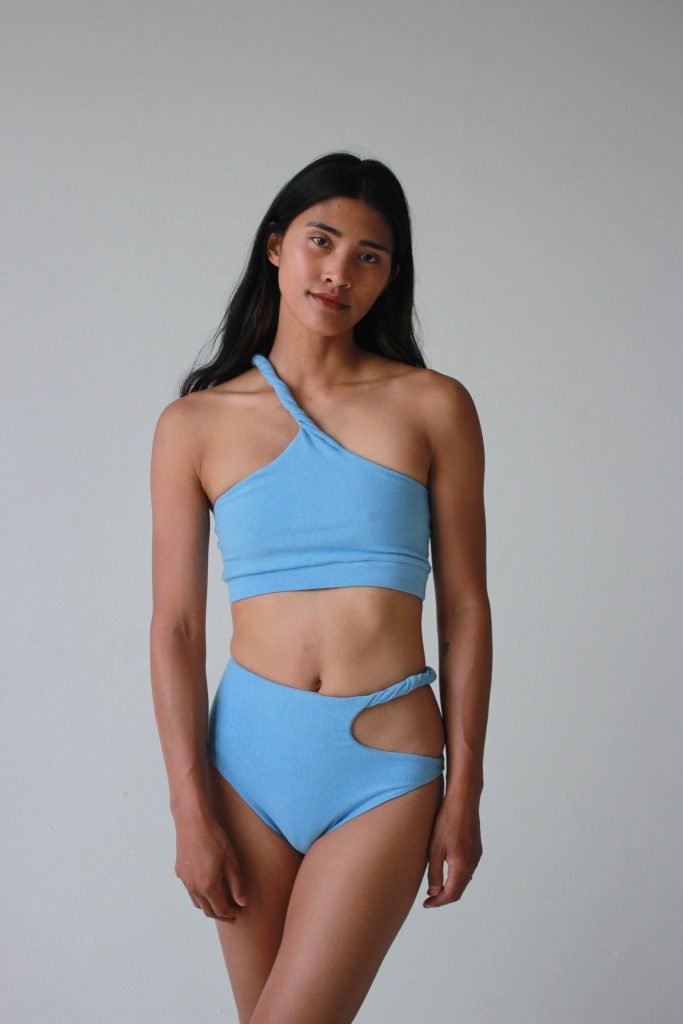
In Los Angeles, the brand NATASHA TONIĆ has emerged as a global leader in sustainable swimwear made from organic hemp and cotton. Its founder, Natasha—of Serbian and Croatian origin—found inspiration for using hemp while watching fishermen’s ropes along the Adriatic coast.
After studying molecular biology and art, and gaining experience in the fashion industry, she decided to launch a swimwear line designed to be better for both skin and the environment. Her pieces are handmade in Los Angeles, with a strong focus on minimalism and multifunctionality—allowing the garments to be worn as swimwear, underwear, or activewear.
The brand is dedicated to reducing microfibre pollution in oceans by replacing synthetic fabrics with natural alternatives. Their standout collection, “Coral City,” includes a coral-planting initiative: for every swimsuit sold, the organisation OCEAN GARDENER plants one coral in Bali.
Natasha personally oversees the entire process, from design to prototype, with the mission of creating original, sustainable garments that honour both nature and the human body.